“Rewilding is the restoration of ecosystems to encourage biodiversity and ensure that wildlife thrives and nature can take care of itself. ”
REWILD YOUR GARDEN
Even the tiniest of gardens can become more biodiverse – and if we all do our bit in our own individual gardens ad backyards, our joint efforts could have a massive positive effect on the natural world. ‘The more people who take action to boost biodiversity and encourage wildlife on the own patch, the better,’ says Richard Bunting of Rewilding Britain.
Plant a Mini Meadow
Why not create a miniature meadow add plug plants, or scatter seedballs/sow wildflowers to attract pollinators such as bees and other beneficial insects, which in turn feed birds and bats. Add wildflowers in your beds and borders too – they look gorgeous, and have nectar that’s perfect for our pollinators.
Don’t dig
By constantly digging over soil in our beds and borders, we destroy and disturb the vital micro-organisms that sustain plant life. So when it comes to rewilding your garden, regularly mulching instead (adding organic matter such as compost on top of the soil) keeps things in balance, eliminating the need to then add artificial fertilizers to repair all the damage we’ve done.
Let your grass grow
If you are ready to try rewilding, letting part of your lawn grow is the easiest way to get started:
Choose a bit of your lawn (a quiet section might work best)
Stop mowing it and see what grows
When you do this, the native plants in your lawn will start to flourish, providing food and shelter for a wide range of invertebrates, birds, mammals and amphibians. You can do one mow in September once all the plants have seeded, but a completely undisturbed section will lead to a more developed habitat.
Do not Disturb
If you want more birds and butterflies in your garden, you have to leave enough space for caterpillars to feed, for insects to hibernate and for native plants and fungi to grow. Don’t overtidy - leaf litter under hedges, log piles and garden ‘waste’ stacked into a quiet corner all make perfect habitats for insects, beetles and small mammals including hedgehogs.
Create a wildlife Highway
Creatures that can fly or climb are easily able to travel between gardens, but hedgehogs need help to get from one to another. They travel around a mile each night looking for food and to find a mate, but they are in decline because our garden walls and fences are becoming more secure, restricting their movements. We can make life easier for them by making holes in or under our garden boundaries - a 13cm x 13cm gap is sufficient for them to pass through.
No poisons
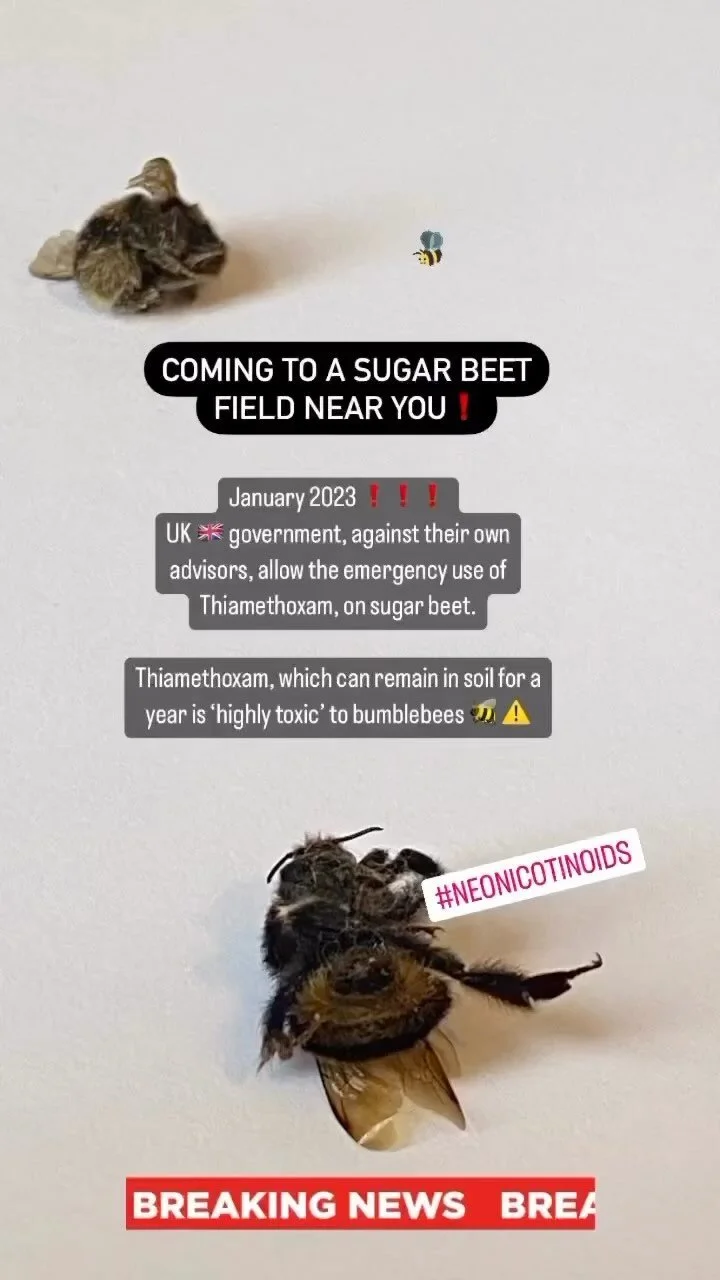
As your garden grows, creatures who feed on your garden pests will naturally move in. But if you use any form of insecticide, fungicide, herbicide or pesticide, it will ruin your rewilding efforts. When you poison slugs and snails you take away a food source from frogs, toads and birds - and likely poison the frogs, toads and birds as well. Sprayed ‘weeds’ will kill your pollinators, and destroy an excellent food source for birds.
Important Garden Rewilding Info!
In a small space, it's better to have a good mix of plants that will provide nectar and habitats for the widest possible range of insects.
Total rewilding of a garden would be counterproductive as a few plants would dominate. Instead, it’s better to have one or two unmanaged ‘wild’ places, and then manage the rest of the garden for maximum biodiversity, providing a range of different habitats, including bird boxes.
Everything in your garden depends on something else, use this thinking to start to make decisions about how to manage your garden to increase biodiversity.




In the heart of Clawton, straddling the border between Devon and Cornwall, lies Luna Meadow Nature Reserve, a once monoculture farmland now on its way to becoming a thriving ecosystem. Maya Project proudly announces its latest venture, a commitment to restore and rejuvenate this precious piece of land into a haven for biodiversity