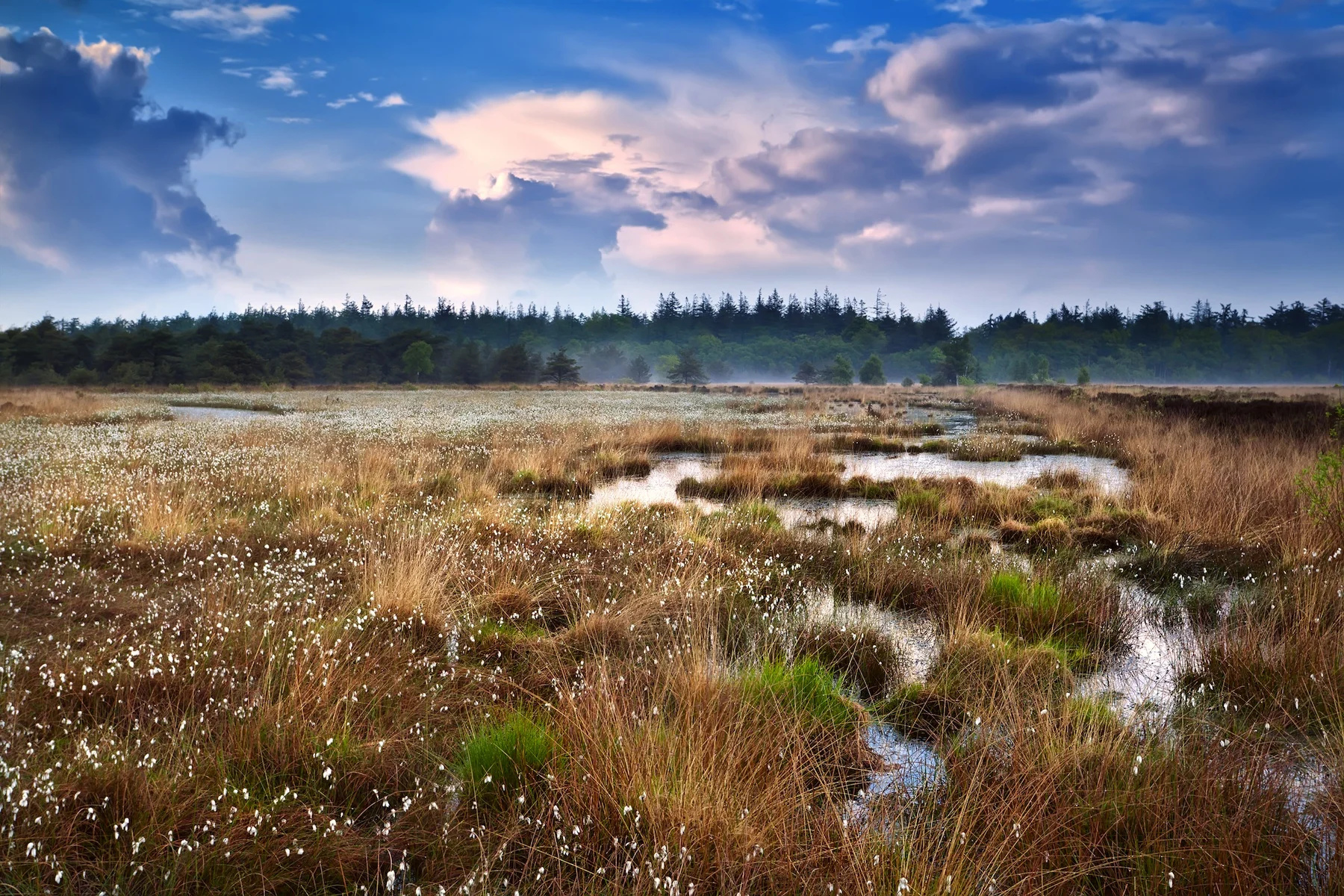
"For me, peatlands are a fascinating place to think about our relationship with nature. So many of us overlook peatlands as bleak, featureless and inhospitable places, without realising that we all depend on them for the water we drink and for regulating our global climate. Most of us don't even notice the internationally important species and habitats we're trudging through when we go hill walking."
Prof. Mark Reed.
‘The RSPB has encouraged gardeners to go peat-free for many years – our bogs are wonderful places with amazing wildlife. It’s a tragic irony that they are drained and dug up for gardening, especially now there are good alternatives widely available.’
Dr. Olly Watts, RSPB peat-free campaigner
- Read more about why Prof. Mark Reed thinks you should be Going Peat Free in his blog
How to buy peat free compost? See the Royal Horticultural Society’s guide to peat-free growing media
The International Union for the Conservation of Nature (IUCN)’s UK Peatland Programme briefing note on peat extraction [link to follow] and the findings of its recent Commission of Inquiry on Peatlands
Detailed information about the impact of peat extraction on bogs from the Scottish Wildlife Trust
State of UK Peatlands report by the Government’s Joint Nature Conservation Committee.
Find out more about the Government’s plans for phasing out the use of peat in England
See the Soil Associations info from their field lab on woodchip compost:
Check out the Soil Associations composting options