Tips for Dealing with Conflict

Posted by sustainable on January 11, 2012 

 Working with people can be challenging. If you work with stakeholders, chances are the thing you dread most is conflict. If good knowledge exchange is all about relationships, then you want to avoid conflict at all costs. But whether it erupts in a workshop you’re facilitating on a one-to-one basis, conflict is inevitable at some point for most of us. So how do spot and avoid conflicts before you’re in them? And if it’s too late and you’re already involved in a conflict, how do you deal with it effectively and quickly?

If you’ve already got to the point where people are having angry outbursts and verbally abusing each other, chances are it’s too late to avoid conflict – you’re already in it. But if you can spot the early warnings signs, it may be possible to avert conflict. For example:

  • Are you noticing people closing their body language (e.g. crossing their legs and arms, dropping eye contact etc.)?
  • Are people becoming cold, distant, withdrawn (e.g. moving back from the table, giving one word answers etc.)?
  • Are people withholding confidences or ideas?
  • People often dress up insults as jokes to make it socially acceptable for them to attack someone else and to make it hard for others to criticize them for their comment (“I was only joking”). Look to see who’s smiling at the joke – and more importantly who’s not smiling. If the person the joke is aimed at is colouring up, chances are they took the joke as an insult. You might be too late to do anything about it first time round, but you need to watch the situation like a hawk and politely stamp on any future “jokes”, if you want to maintain a positive group dynamic
  • Are people becoming increasingly argumentative, disagreeing and/or blaming each other?
  • Are people moralizing or intellectualizing each other?

But for the really early warning signs of conflict, you need to look inside yourself and empathise with the group you’re working with. If you can really get in touch with the way that the group is feeling, and become sensitive enough to your own feelings, you will start to detect the earliest glimmer of conflict and be able to watch out for other signs and act early. If there’s someone in the room who is feeling really uncomfortable, nervous or angry in the group, chances are they may project those feelings onto you, or that you may detect their feelings through empathy – and you’ll start feeling uncomfortable, nervous or angry yourself. Are you experiencing irrational, anaccountable feelings, urges or thoughts, or acting uncharacteristically out of role? Chances are, that’s how someone in the group is feeling. The stronger they feel this, and the more people who feel this way, the more likely you are to pick up on it and experience those feelings yourself. In this way, you can pick up on likely conflict well before there are any visible signs, so you can manage the situation and bring back a more positive dynamic into the group before conflict erupts.

But no matter how good a facilitator you are, some conflicts are unavoidable, whether in a group situation or one-to-one. We’ve all been involved in conflicts from time-to-time. Sometimes we deal well with conflict, and at other times we end up making the situation worse. By thinking about our approach to conflict, it is possible to resolve these difficult situations as consistently and quickly as possible. So here’s what I (try and) do:

  1. Face it as soon as possible – don’t hide from it. There is a very small chance it will simply go away, and a very significant chance it will grow bigger and more intractable with every day you hide from it
  2. Have a conversation about “what happened” but taking pains to avoid apportioning blame. Focus on the future rather than the past, trying to understand enough (and no more) to be able to deal with what happened
  3. Recognise there are always many sides to any story – they probably feel just the same as you do, and there’s a good chance they’re just as upset with you as you are with them. Therefore seek out what role you played in the conflict – what did you do that made things worse? How could you have done things differently and do things differently in future? This isn’t about “taking the blame” – it gets you off the attack, them off the defensive and you both onto a constructive discussion of how you might both do things differently in future
  4. Make your goal to find a constructive way forward that works for you both, not getting an apology
  5. If you have been wronged, focus on “I feel” rather than “you did”. How you feel is incontestable, avoids blame and stops people becoming defensive. Find out how they feel and why they feel that way – get beneath the anger
  6. Try and get to the heart of the conflict – the majority of conflicts are about something completely different to what’s really at stake. The same argument will resurface in different guises again and again until you resolve the underlying issue. Don’t be afraid to ask “what’s this really all about” or probe in more subtle ways. Sometimes the person you are in conflict with isn’t aware if the underlying reason for the conflict themselves – it may be something buried very deep. That shouldn’t stop you trying to read between the lines. If you think you know what’s really going on, it may or may not be appropriate to talk about this, depending on how buried it is, and how well you know each other. But you should always act on this, rather than the thing on the surface that’s triggered the conflict.

What’s your approach to avoiding and dealing with conflict?

What links learning, knowledge exchange, participation and interdisciplinarity?

 Posted by sustainable on January 11, 2012 

The Sustainable Learning website brings together some of the latest thinking on learning, knowledge exchange (and knowledge management), participation from thinkers working at the boundaries between many different academic disciplines. What do we mean by each of these terms, and how are they linked? Here are some initial thoughts – tell us what they mean to you, and send us links to your latest work so we can share what you’re doing with the wider community of people interested in these topics:

Learning generates individual knowledge, which may inform the way we each behave

  • Social learning generates collective understanding, which has the potential to facilitate social change
  • Knowledge exchange is the process of learning from each other – the result depends on what is actually learned, rather than what is taught
  • Knowledge is not a gift that is always easily given – it is a gift that needs to be actively taken, unwrapped, understood and used
  • Stakeholder & public participation enables more of us to engage in active learning to exchange existing knowledge and generate new knowledge together, from the individual to societal scale
  • Working with stakeholders we can access know-how. Researchers can give us the know-why. We also need know-when and know-who to communicate and generate knowledge with the right people in the place at the right time
  • Social learning is about the breadth of learning. Many have focused on the depth e.g. triple loop learning. But we also need to consider learning potential – being connected to a diverse knowledge network that can give us targeted knowledge when & where we need it
  • Interdisciplinarity is when individuals from different disciplines learn from each other, exchanging old knowledge and working together to generate new knowledge that combines insights from more than one discipline

For more ideas about social learning, see “What is social learning?” and for more ideas about different ways of viewing knowledge and knowledge exchange, see our working paper, “Designing knowledge exchange for resilience: how people view and construct knowledge matters”

How about crowd-funding your next research project?

Posted by sustainable on November 4, 2013 

 As research funding from traditional sources becomes increasingly competitive, many researchers are now turning to the public to directly fund their work. In this blog, Mark Reed and Anna Evely from the Sustainable Learning team examine the opportunities and some of the pitfalls, to help you decide if your next project might be crowd-funded.

Crowd-funding websites like Kickstarter and IndieGogo are increasingly funding projects in technology, arts, campaigns and non profit community work, with some projects raising significant sums of money. Projects listed on these crowd funding websites offer investors a range of rewards, based on the amount they are willing to invest, with small rewards available for as little as a £1 investment, rising to personalized products and events to reward larger investments.

Now a number of websites have started to offer opportunities to invest in research, for example Petridsish,MicroryzaRocketHub and GeekFunder. These initiatives are less about getting your hands on the latest gadget before it hits to shops, and more based more on the warm glow of knowing you’ve advanced knowledge and made the world a better place. Having said this, many projects do offer personal rewards.

As funding for research becomes increasingly tight from traditional sources, the research community is beginning to turn towards the public as a means to raise funds. Crowd funding research involves raising money directly from the public, with the research project idea articulated on a dedicated project page along with an invitation for individuals to help fund it. The project goes ahead once enough money is raised. It’s an all or nothing approach. If the project fails to reach it’s target then funds will not be released.

So, could you crowd-source your next research project? And what are the pitfalls of this new approach to funding?

What sort of projects are likely to get crowd-funded?

The answer to this question depends upon the sort of project you want to fund. If it will lead to a technology or product or some other tangible output that members of the public may want to own or experience, then the chances are that you may be onto a winner. A successful crowd-funded project needs to be beautifully and effectively presented and explained, making it clear how it will make a difference. You’ll need a strategy to drive people to your project page and get them interested enough to read about what you plan to research (blogging, tweeting, getting traditional media coverage etc.). To do this, many crowd-funded projects offer affordable and desirable rewards to investors.

Most crowd-sourced research projects are relatively small – a few hundred or thousand pounds. Therefore, current crowd funding of research is often used for “seed-corn” funding bigger projects, testing ideas and prototypes, which can then attract larger amounts of funding from more traditional research funding sources. However, with a bit of clever project design, researchers can ‘think big’ when using crowd funding, and divide projects into self-contained work packages that can work effectively on their own. Then, if more than one work package is funded, they will link together to form a larger, longer-term project.

Importantly for us as researchers, crowd-sourcing our work can also open the doors to better public engagement and science communication. Science works best when the public is on board, and we should all be able to explain the importance of our work.  After all, most scientific funding comes from the government, meaning that we’re ultimately beholden to the public to demonstrate and embrace the value of our work. As a result, research projects that are crowd-funded engage the public in emerging areas of science. They also represent an emerging form of collaboration between the researcher and those who use their research, where the public can be informed and inform the research process. For example ‘FundaGeek’ enables discussion forums where the public can debate the value of a project alongside any moral concerns.


Tips for a successful crowd-funding campaign

If you think you’ve got an idea that might fit the crowd-funding model, then here are a few tips that will help you make your research idea become reality:

  • Take a look at successfully funded projects to get inspiration for the sorts of rewards you might be able to offer investors, from highly affordable options to more expensive options for larger investors. We recommend that you look at projects that have been successful in areas with a longer history of crowd-funding e.g. technology, charity and the arts, to get ideas about what works.
  • Purge your project of all jargon, so you can communicate your project in a way that excites and inspires people to fund you – something most researchers need to practice
  • Creating a slick video to promote the project is a must, to make it as accessible as possible to potential investors (many crowdsourcing websites require this anyway). Make sure your presentation and message is personal, visual, original/unexpected and if possible appeals to people at an emotional level.
  • Set a realistic funding goal, dividing large projects into self-contained, smaller projects (effectively work packages) that are more likely to get funded
  • Pay particular attention to creating a social media presence and wider communications strategy with clear aims.  Systematically consider who your audience is, their preferences and interests, the sorts of media and communications they are most likely to respond to, and the offer/reward that people in your audience are likely to respond to. Build your social media following before you launch your campaign, and think about how to target people who are well connected to your target audience (e.g. large Twitter followings), so they can promote your campaign for you. Promote your project as widely as possible via social media (see our Top Twitter Tips for Academics), and then via your personal and professional networks.


What problems might I encounter?

There are a number of practical and ethical challenges to crowd-funding research. First, not all investors may honor their pledges, and so the eventual sum raised may fall short of the target. Although websites take payment details electronically from investors, credit checks are often performed many months prior to the end of the campaign when payments are actually taken. This may mean it is not possible to fulfill your commitments to those who do honor their pledges, and in the worst case scenario they may demand refunds or sue the project.

Second, not all crowd-funding platforms have a peer-review or ethics review process to screen projects before they go online. We can all think of projects that we thought were water-tight when we submitted them, that came back from peer-review or ethics review with fundamental problems that meant they were un-fundable. In this case, you may discover these fundamental flaws only one you’ve started spending on the project, and may not be able to bring it to completion. Even worse, such projects may inadvertently put members of the public at risk and lead to unintended consequences. Take a look at the policies of different crowd-funding websites, and use sites that have some sort of review process. This will also mean your project isn’t sitting beside pseudo-science projects that you would not want to be associated with. Particularly useful are sites that include discussion forums where you can engage with potential investors to debate the validity and ethics of what you are doing. In this way, engaging with crowd-funding actually has the potential to enhance the quality of the research you develop. It is also always wise to get feedback from friendly colleagues before you submit anything for funding, whether to traditional funders or a crowd-funding website.

Third, some people worry about the fact that you have no way of vetting the people who fund your research, or knowing if they may have a conflict of interest – for subjects where you have to declare your funders and any conflicts of interest as part of the publication process, this concerns some people. Although this is something to think about, we’ve not heard of any projects that have fallen foul of this at publication stage, and there is a contrary argument that the number of different people funding your research immediately demonstrates the perceived value and likely impact of your work.


So should I crowd-fund my next research project?

Obviously it depends on the type of project you are trying to fund, and how easily you think it will resonate with the public. The answer will depend to a large extent on the sort of research field are you working in, and the likely risks of the project going wrong, either in terms of the research itself or health and safety? It might feel risky to try this for the first time, but why not start small with a low-risk, low-cost project that can lay the ground for something more ambitious later?

This new funding model may be particularly attractive to early career academics and those who are good at communicating their research to the public. Unlike many traditional funders who require you to have a permanent or “tenured” academic post before they’ll even look at your funding application, anyone can apply for crowd-funding. You can potentially be up and running with your new project in a few months, compared to the long and drawn-out traditional review process, giving you the platform you need for the bigger projects that will get you greater job security. Crowd-funding may also be increasingly popular with more established researchers, who are seeking new ways to engage with the likely users of their work and generate impact, given funders’ increasing focus on the impact agenda.

Crowd funding research is in its early stages. It is therefore unsurprising that its many potential benefits have largely been overlooked by the research community. This approach isn’t all about getting money for research; it is a new way of doing research in collaboration with your funders – the public – giving you an instant route to public engagement in your work. For us, crowd-funding is about the democratization of science and making sure your research resonates with the wider interests and needs of society.

Prof Mark Reed is an interdisciplinary researcher specialising in knowledge exchange, stakeholder participation and the value of nature. He obtained his PhD from the University of Leeds, where he was a Senior Lecturer till he became Director of the Aberdeen Centre for Environmental Sustainability at the University of Aberdeen. He is now a professor at Birmingham City University with >50 publications in peer-reviewed international journals, where he is leading the REF submission for his School. His work has been covered by the Guardian, Radio 4, Radio Scotland and international media, and he has led research projects worth over £10M. He has designed and led >50 workshops with end users of research in the UK and internationally, and has developed training in knowledge exchange and participatory methods for the UN Environment Programme, DEFRA, Scottish Government, the British Ecological Society and a range of UK Universities. Find out more about his work at:www.markreed.webeden.co.uk or follow him on Twitter @lecmsr 

Dr Anna Evely is co-founder and director of project MAYA. Anna’s background is in sustainability and conservation she is passionate about social media and permaculture. Anna is an interdisciplinary eco researcher/campaigner/entrepreneur. Academically she continues to work with the Sustainable Learning project on Knowledge Exchange research and is an associate of the Aberdeen Centre for Environmental Sustainability. Anna has published on environmental sustainability and behaviour change. Before founding project MAYA, Anna worked as a lecturer, post-doctoral researcher and conference organiser and has acted as an advisor on social media strategy to a number of academic institutions and chairities. Find out more about her work at:http://www.annaevely.com or follow her on Twitter @AnnaEvely.


Six practical ways to make your research more influential

 Posted originally at http://sustainable-learning.org/ on March 6, 2014 

I recently blogged about how researchers can positively channel emotion, to do relevant research that resonates deeply with our audience and spurs them into action. Not long after I wrote the blog, a researcher contacted me to ask for help with a powerful stakeholder who was blocking her research. Her next step was to inform her funders that the project couldn’t be delivered – unless I could help. I made a number of suggestions, and at the end, there was an awkward silence. Then she said, “you know what, I think I might just be myself”.

As we ended the call, I cringed as I thought how some of the things I’d suggested might have come across. What I saw as influencing, she had interpreted as manipulation. But the more I thought about it, the more I was convinced that I was in fact being myself – I was just emphasizing the parts of myself that were most likely to carry the day. I think it is normal for us to present a different version of ourselves to our colleagues and students to the person we are with our family and friends. Expressing different parts of ourselves in different contexts doesn’t make us insincere. Rather, it makes us empathetic – open and sensitive to the needs of those around us. However, if we don’t have much experience working with the people who might use our research, it may take a bit of work to understand what makes them tick, and work out how best to present ourselves.


So here are the practical tips I gave the researcher who asked for my help. Perhaps you will see these as ethically dubious and have a similarly allergic reaction? Or maybe, like me, you’ll find these ideas give you the leverage to get your evidence and ideas into policy and practice…

  1. Develop a structured and systematic engagement strategyIt doesn’t have to be written down; even if it is only in your head, thinking systematically about how you will engage with key stakeholders can significantly improve your chances of being relevant and helpful. First of all, think carefully about who you want to work with. It may take some time to work out who actually holds decision-making power within an organization. Often, people with high levels of personal and transpersonal power have greater power to actually make things happen in an organization than the people at the top of the hierarchy. Also beware of automatically gravitating to the “usual suspects” who are highly visible, and consider if there are marginalized and powerless individuals or groups that could really benefit from your work, and who may be highly motivated to work with you. Once you’ve worked out who you want to engage with, you need to work out what’s likely to motivate them to engage with you. What messages from your research might resonate with their interests and agendas? What modes of communication are they most comfortable with? What sort of language do they use or avoid? If you can’t reach those with decision-making power to start with, identify people in the organization who are more likely to engage with you, and expand your network from there. Those with decision-making power are more likely to listen to you if the rest of their team are already listening to you.
  2. Empathise: put yourself in the other person’s shoes; work out what motivates them, how they might be feeling, and what they might want from your research. Work out what is likely to build trust in the relationship between you. For example, do you need a letter-headed initial approach or do you need to be introduced over a pint of beer? It may be worth doing some digging about the person and their organization, to help you empathise effectively. For example, you might research them online, looking at their profile and the sorts of things they’re writing about. Alternatively you might ask what others in your network know about them. If none of these ideas work, you can talk to other people in similar roles first, to get a feel for the sorts of issues that are likely to motivate them, and the language and modes of communication they’re likely to respond best to. It’s a bit like the sort of process an actor or actress would go through to research a role they’ve been given.
  3. Practice your communication skills: find out about body language, so you can read how the people you want to influence are reacting to you and adjust your approach accordingly. It is also worth thinking carefully about your own body language. If possible, practice in front of a camera or mirror or get feedback from a colleague. You need to practice open body language that tells the other person you trust them and that they can trust you (e.g. avoid crossed arms and legs and give plenty of eye contact). Think about your handshake and what it conveys – a firm handshake conveys confidence and is more likely to instil trust than a limp one. Put your pen down when you’re not writing and make sure there are no physical barriers between you both (e.g. a pad of paper propped up between you). Be mentally aware of your facial expressions, to make sure you’re not slipping into a scowl as you concentrate on what the other person is saying; try and be as smiley as comes naturally to you. It is important to make it clear you’re listening and genuinely valuing what they tell you with nods and non-verbal, encouraging noises. If you’re really listening with all your heart, you’ll find yourself naturally mirroring the other person to an extent. For example, if you make a strident start and discover the other person is very quiet and shyly spoken, you’ll probably feel uncomfortable continuing to talk loudly and confidently, and will moderate your behaviour to be less different to them. If you are able to adapt your tone of voice and body language to theirs, they are likely to feel respected and feel more able to connect with you. If all of this this doesn’t come naturally, start small, and build from there. Like other roles you have to adopt professionally (e.g. lecturing), with practice it will become second nature, and will become entirely natural.
  4. Give: ensure there genuinely is something in the engagement for the other person that they really want, and think about how you’ll deliver those benefits in concrete terms in the near future. If you’ve managed to really empathise with them, then this bit should be easy.
  5. Assess your power: assess your power in context of the stakeholders you want to work with, bearing in mind that you may be significantly more or less powerful in different contexts. For example, in some contexts because of negative experience with other researchers, your status as an academic might mean people expect you to be irrelevant or exploitative. On the other hand, with a different group of stakeholders, your status as an academic might mean your view carries greater weight. One way of thinking about how powerful you might be in a particular context is to think about your levels of:
    • Situational power (e.g. your level in formal hierarchies, access to decision-makers);
    • Social power (e.g. your social standing, race, marital status or whether you have a Dr or Prof in front of your name);
    • Personal power (e.g. how charismatic, trustworthy and empathetic you are perceived to be); and
    • Transpersonal power (e.g. a connection to something larger than yourself, ability to transcend past hurts, freedom from fear and commitment to an altruistic vision).
    • If you don’t have enough power or legitimacy yourself, then think about ways you might be able to improve your personal and transpersonal power (as these are easier to change than your social and situational power). And if you need a quick shortcut to more power, get yourself introduced or accompanied by someone that is already well trusted and perceived to be legitimate in the eyes of the people you want to work with.
  6. Finally, where necessary, go around or above obstructive individuals, developing a tailored engagement strategy for the next person in the organisation you need to engage. I was obstructed for years by a science policy analyst who I felt was excessively risk-averse. None of my ideas ever got past her to the senior civil servant with the power to make things happen, because she always sent me away and do another year or two of research to provide more convincing evidence. Eventually after almost a decade of research, I started to form relationships with the economists in her department, who were far more receptive to my ideas. At the same time, through an NGO, we started to communicate the same ideas directly to the Minister. And so eventually, the senior civil servant with the power to actually make things happen was getting our ideas from above and below. The Minister was telling this senior civil servant to look into our ideas, and his team was able to tell him that they’d looked at our ideas and they seemed to work, while their risk-averse looked on. And so things started to actually happen.

This is all stuff that I do naturally without thinking about it. Perhaps you’re the same, and I’m just stating the obvious. But breaking it all down like this, I can see that these are all things I’ve learned over the years, from (sometimes bitter) experience. Breaking it down like this also makes it look terribly pre-meditated, and it is perhaps this that makes it seem manipulative. Of course the reality is that I don’t have to think about these things much any more (though I reflect regularly, as I’m doing here) – I’m just being me and being effective. I don’t know if this makes it acceptable, but there are loads of folk out there using similar approaches to bias decisions away from the evidence, for their own selfish ends. So why not use the same influencing skills for good, to get the evidence we generate through our research into policy and practice?


Mark is an interdisciplinary researcher specialising in knowledge exchange, stakeholder participation and the value of nature. He obtained his PhD from the University of Leeds, where he was a Senior Lecturer till he became Director of the Aberdeen Centre for Environmental Sustainability at the University of Aberdeen. He is now a professor at Birmingham City University with >60 publications in peer-reviewed international journals, where he led the REF submission for his School. His work has been covered by the Guardian, Radio 4, Radio Scotland and international media, and he has led research projects worth over £10M. He has designed and led >50 workshops with end users of research in the UK and internationally, and has developed training in knowledge exchange and participatory methods for the UN Environment Programme, DEFRA, Scottish Government, the British Ecological Society and a range of UK Universities. Find out more about his work at:www.markreed.webeden.co.uk or follow him on Twitter @lecmsr.

How can your research have more impact? 5 key principles and practical tips

 Posted originally on the Sustainable Learning blog on September 9, 2014 

 Name an impact from research that hasn’t involved knowledge exchange. If like us, you can’t think of one, then it follows that if we want to have an impact, we have to become great at knowledge exchange. But what does effective knowledge exchange look like, and how can we get good at it? Three years ago, we set out to document the sorts of knowledge exchange being done across the UK, to find out what works. Our findings were published this week in Journal of Environmental Management, and in this blog, we’ll share with you five key principles that emerged from our work, as well as lots of handy tips for knowledge exchange, in the words of the people we interviewed.

There are three reasons people commonly give for not getting their research to the people who might be able to use it. First, people don’t think they’ve got the skills or tools they need to engage effectively with stakeholders. Second, even if they know what to do, people don’t have the confidence they need to get their ideas out there. Third, people are under the (often wrong) impression that engaging effectively with stakeholders is time consuming and not of central importance to their research. We hope that with the rising importance of ‘impact’ in assessing research excellence in the UK, this third concern is becoming less important as engagement efforts are increasingly rewarded. But what are the skills and tools you need to make an impact?

As researchers, we’re already in the business of generating new knowledge; it’s what we signed up for. But for that new knowledge to actually reach the decision-makers who might use it, they need to: 1) find out; and 2) understand the importance to them of what we’ve discovered. Traditionally, we’ve focused on how we can best make information about our research available and accessible. But even if we tailor information about our research really effectively to different audiences, they still have to actually learn from it, and appreciate its relevance to them, before it can become useful knowledge. Very often, that requires a significant level of active engagement, more than just disseminating information. To ensure this is useful knowledge, and has impact for those who need it, relationships must be built: two-way, long-term, trusting relationships between researchers and the people who need the new knowledge we are generating.

As researchers have begun moving towards increasing impact, and building relationships to do so, we often hear great ideas and case studies about engaging with the people who might use our research from other researchers. Those ideas tend to range from the obvious (but we can’t believe we didn’t think of doing them already), to innovative, unusual ideas (that we can’t believe more people have heard of). For us, it was time to look at these ideas more systematically. We wanted to find out what researchers across the UK were doing, to improve our own practice, and of course so we could share them with you. We published the findings of our research this week (open access, of course), and we’d like to share our top five principles for effective knowledge exchange with you here. And, of course, in the spirit of knowledge exchange, if you’ve got ideas you’d like to add to this, please comment on this blog and share them with us.

Below summarises the five principles for effective knowledge exchange that emerged from our research. You can read more about each of these themes in our new journal article.

Principle 1: Design

Know what you want to achieve with your knowledge exchange and design knowledge exchange into environmental management research from the outset

  • Set goals for knowledge exchange from the outset
  • Devise a knowledge exchange and communications strategy
  • Build in flexibility to knowledge exchange plans so they can respond to changing user needs and priorities
  • Allocate skilled staff and financial resources to knowledge exchange

Principle 2: Represent

Systematically represent research user knowledge needs and priorities:

  • Systematically identify likely users of your research and other relevant stakeholders
  • Embed key stakeholders in your research
  • Consider the ethical implications of engaging with different stakeholders

Principle 3. Engage

Build long-term, trusting relationships based on two-way dialogue between researchers and stakeholders and co-generate new knowledge about environmental management together

  • Engage in two-way dialogue as equals with the likely users of your research
  • Build long-term relationships with the users of your research
  • Work with knowledge brokers
  • Employ a professional facilitator for workshops with research users
  • Understand what will motivate research users to get involved in your research
  • Create opportunities for informal interaction and learning between researchers and stakeholders
  • Work with stakeholders to interpret the implications of your work for policy and practice, and co-design communication products

Principle 4. Impact

Focus on delivering tangible results as soon as possible that will be valued by as many of your stakeholders as possible

  • Identify quick wins where tangible impacts can be delivered as early as possible in the research process, to reward and keep likely users of research engaged with the research process
  • Get your timing right

Principle 5. Reflect & Sustain

Monitor and reflect on your knowledge exchange, so you can learn and refine your practice, and consider how to sustain a legacy of knowledge exchange beyond project funding

  • Regularly reflect with your research team and key stakeholders on how effective your knowledge exchange is
  • Learn from your peers and share good practice
  • Identify what knowledge exchange needs to continue after research funding has ceased and consider how to sustain this in the longer-term


The circle above shows the themes about effective knowledge exchange that emerged from our analysis of interview transcripts. It shows how they map onto the five principles in the table above. Each of these themes are summarized in the table below in greater detail, based on the words of those we interviewed.

Design

Aim high but be realisticAiming high can achieve a lot. However, if expectations of project outcomes are set too high participants may become frustrated by lack of progress. Aim to maintain a balance between presenting the best possible scenario and being realistic about what can practically be achieved.

Be transparent Act with honesty. It is important that all involved know the objectives of the project and what their role is likely to be as well as the project outputs and any recognition they may gain from their involvement. Time spent at the beginning introducing each other and sharing personal motivations and goals is helpful.

Context Understand the context of the project. Understand local characteristics, traditions, norms and past experiences, use this as a starting point for planning the project. Some projects have found it useful to carry out ethnographic research prior to project commencement to ensure planning best matches context.

Dedicated KE time KE is time consuming if done properly. If not done properly bridges can be burnt that will influence not only the effectiveness of the present project but projects to come. Dedicate time specifically for KE. Even better, have a KE officer involved in the project.

Design the KE process well It is vital to plan the KE process well. Spend time researching the context, the stakeholders, and possible approaches. Look into alternative approaches in case the approach selected fails. Design for flexibility and to incorporate feedback and design to suit the circumstances. It is best to plan to use a range of methods and approaches in the design.

Early bird catches the worm Knowledge Exchange must be started early in the project. Ideally planning and research into the context and stakeholders should begin prior to project commencement.

Embed KE KE is not just an activity to be carried out a certain points in a project. To be effective KE must be planned for and included throughout. In designing activities projects must evaluate their KE progress and how effective they have been.

Get Buy in Ownership and ongoing commitment can be quickly established by getting ‘Buy In’ from the key stakeholders involved. This can be in the form of monetary investment or contracted time to the project. Buy in is especially important from those high up in organizations.

Independence Ensure that the management of the project is seen as independent/neutral. This can be achieved through an independent/neutral organization leading the process or an independent facilitator being on board. Independence can help build trust in the process and speed KE.

Mixture of methods Plan to use a variety of methods. Different people will enjoy and be best suited to different methods. Always start with those methods that will be the most comfortable to stakeholders, as trust builds more innovative methods can be used.

Plan for Flexibility Avoid inflexible methods and strategies when planning a KE process. Leave space within the plan to adapt methods and approaches as required.

Prepare properly Successful KE processes are those which have had significant time spent in researching the context of the project, the individuals involved and the methods and approach to take. They are also the projects that have anticipated the amount of time and resources required for effective KE.

Process is as important as product How a KE process is implemented often is as important as the end result. Ensure proper attention is paid to creating an effective KE process. However, most KE processes are in place to achieve a goal so, ensure you keep that goal in sight!

Select the right team Take into account personalities, attitudes and worldviews of the KE core team. Teams with a similar world view and complimentary personalities will work well together irrespective of discipline. In particular select teams which are used to working across disciplines and value all different types of knowledge. Teams that have worked together in the past may work best as less time is taken in understanding one another.

Spend money on KE KE processes take up significant time and resources. There are methods available for low budgets that are reliant on the teams personal time and energy. However, if budgets are too low corners may be cut and results will be less significant. Money spent on a well designed process, that budgets for social events, KE officer, facilitator, refreshments and stakeholder compensation may be more expensive in the short term but are the most likely to achieve long–term behavior change not only for those involved but for future generations that can benefit from improvements to knowledge and infrastructure.

Tailor approach Tailor your research approach to the kind of impact you want to have i.e. if you aim to influence policy identify the key policy areas and work to those. Likewise tailor your communication to closely match the communication strategies of the organizations/individuals you most want to affect.

Understand what everyone wants Spend time understanding what the stakeholders and project members want from the project. This can help in managing expectations and identifying potential issues/problems early on.

Engage

Away days Put time aside at the start of the project for the core team/group to get to know one another’s disciplines, background and languages. Include time for socializing.

Be enthusiastic Enthusiasm for the process and approach is easily transferred to those involved. Enthusiasm can go far in helping to maintain momentum and achieve participant long-term involvement.

Be honest Be honest throughout the process, about the goals of the activity and practical implications of involvement. Most participants are motivated by the chance to make a difference, but if this is unlikely to be possible make it clear from the outset. Be honest with participants about what they will gain through participation. Do not have a hidden agenda.

Build capacity for engagement Spend time in the project building the capacity of those involved in order to operate the process on a more level playing field. Aim to create a shared skill base and include basic training activities in the project early on to improve knowledge exchange and co-production.

Build personal relationships KE is all about relationships. Without relationships KE is ineffective. Spend time building relationships. Time to socialize is just as important early on in a process as time spent on KE activities. Schedule in social time in the project and get to know participants on a one-one basis.

Build Trust Lack of trust will reduce how effective KE is. Spend time explicitly considering Trust levels in the project and how to improve trust. A number of activities can help build trust. In general trust building takes time and is closely relating to building relationships and being honest and transparent.

Multiple modes of communication Let the wider local community and policy makers know what you are doing and if possible how they can get involved. Use of a website is particularly helpful for this, although new forms of web 2.0 technology such as twitter, facebook and youtube are also effective. Newsletters keep participants up to date. Try to use a range of different methods to communicate both internally and externally.

Compensate A barrier to involvement can be loss of income for those involved. If possible offer compensation for lost earnings. At the very least ensure that participants are compensated for their time by being provided with adequate meeting facilitates and good quality refreshments.

Keep in people’s comfort zones Be aware of what is comfortable for those involved and keep within their comfort zone. Have meetings in the local area and in a non-threatening, neutral environment. Choose activities (at least initially) that stakeholders are comfortable with.

Don’t rush it Rushing KE is problematic as individuals take different amounts of time to build trust, confidence, to learn and to share knowledge.  Time may need to be built in for reflection. However, KE projects do need to pay attention to deadlines. The use of facilitators, local knowledge brokers and activities to keep on track can be helpful.

Enjoy! Make sure the process is enjoyable and interesting for yourself, the team leading it and those involved. Pay attention to designing enjoyable activities.

Keep it simple Do not assume levels of literacy or education. Keep language and approaches simple and accessible. Spend time discussing and agreeing terms to be used, and the best approach to take. Involve skill sharing so that all participants gain a shared basic understanding, for example, by involving participants in G.I.S. work or spending time work shadowing gamekeepers. A stakeholder steering group may help in ensuring the language and approach is suitable.

Work around people’s commitments The most challenging aspect to KE processes ensuring participants stay involved. Stakeholders nearly always have other commitments and may have seasonal differences in work patterns. Consult with stakeholders as soon as possible to match process to commitments.  It might work best to have morning meetings rather than evening meetings and certain times of year may not work well for attendance.

Manage power dynamics Power dynamics can have a significant impact on a process. It is incredibly important to recognize that power dynamics play a role in the process and to plan for and manage this appropriately. For example, ensuring a first name basis can go some way towards balancing power but it is still important to recognize that others will be conscious of who is a professor, a Dr. or a Sir. and will be adapting their behavior and communication as a result.

Record In order to ensure transparent, trustworthy processes make sure that your KE process is properly recorded. This is also important in order to identify and learn from methods that have been particularly successful or unsuccessful. However, do be aware of methods of documentation, some participants may be uncomfortable with audio or video recording.

Keep your goals in mind Reiterate project goals throughout the process and keep to deadlines.

Respect cultural contextMake sure that your approach is suitable for the cultural context in which you are working. Consider local attitudes to gender, informal livelihoods, social groupings, speaking out in public and so on.

Respect local knowledge All participants will have significant knowledge of their community and will be capable of analysing and assessing their personal situation, often better than trained professionals. Respect local perceptions, choices, and abilities and involve all types of knowledge when setting goals and planning research.

Share responsibilities Share out responsibilities and credit in order to help build relationships, trust in the process and foster ownership for those involved.

Use a facilitator Effective group management is incredibly difficult and requires a professional facilitator Without good facilitation the most articulate and powerful may dominate and the process will be unable to achieve effective knowledge exchange. Ensure those running the project have good facilitation skills, if they do not hire a trained facilitator for this.

Use knowledge brokers Make use of the local community. Take time to identify individuals that play a significant role in the community and can act as a local champion. Such individuals will be well linked and able to understand different types of community’s perspectives. Involvement of a knowledge broker will help develop local capacity, build trust and increase long-term sustainability.

Visualise Aim to present information visually rather than in words. Tools that use maps, illustrations, cartoons, drawings, photos and models are particularly successful in KE processes.

Work outside when you can Wherever possible, have KE activities physically in the area being discussed. Field trips are particularly valuable, especially if coupled with stakeholder hosting to increase ownership. Working outdoors makes it easier for all to articulate complex concepts and understand the reality of a situation.

Represent

Involve the right peopleSpend time researching which stakeholders are best to involve. A systematic method such as stakeholder analysis can be incredibly useful for this, discussion with an established institution with significant understanding of context and people in the area of the KE project may be equally fruitful. Make sure power dynamics between individuals are considered and attention paid to selecting individuals who can make a difference. Involve all parties as early as possible, preferably in the planning process. Time spent in one-one discussion to win over those who doubt the value of the process before you start is well worthwhile. If there are people or groups, who cannot be convinced at the outset, keep them informed and give them the option of joining in later. Remove individuals from the process that are particularly disruptive.

Not just the usual suspectsTry not to only include the ‘usual suspects’. Those of different ages, gender, backgrounds and cultures bring different knowledge, concerns and perspectives. By representing the diversity of a community in a well designed process a project can have a far greater long term reach and sustainability.

Understand and create networksUnderstand the social networks that the people you want to work with are part of. Spend time creating connections both vertically and horizontally. Aim to create networks where possible between the interest groups involved as well as with potential funding sources in order to help maintain achieve the potential for long term resilience.

Personal initiativeMany effective KE processes are based on one individuals initiative. KE processes require at least one individual to push the process through and maintain momentum.

RelevanceSpend time finding what everyone wants out of the process and ensure the process is relevant to those involved.

Understand different motivationsPeople are motivated to become involved in a KE process for a number of reasons, for instance: academic exploration and gain, interest, to learn, fear, financial gain, professional duty, personal promotion, and support of the local community. It is important to take steps to make personal agendas explicit, perhaps through anonymous ballot at the start of the project or explicit discussion.

Impact

Deliver quick winsEnsure that if the project aims to create practical outcomes it delivers on these. Delivery of practical outcomes is a key motivator for involvement and identifying ‘quick wins’ for delivery early on can help build trust and relationships, improving the effectiveness of KE activities.

Work for mutual benefitWork hard to ensure that the project is of mutual benefit. Spend time finding out what people want from the process and try hard to deliver this. Unbalanced processes, for example, those which appear to be all about academic benefit can fail to get the best from those involved and can affect trust and commitment to the process.

Reflect and sustain 

Get participant feedback regularly Ensure that you get feedback throughout on activities and participants concern’s/ideas. Such feedback will help the project to adapt techniques and deal with problems as they arrive to improve effectiveness.

Make time for reflection Build in time for all involved in KE activities to reflect on the process and outcomes. This is especially important when working in areas of conflict to ensure optimum learning and behavior change.

Learn from others good at KE Spend time exploring similar work and institutes within an area. Don’t assume absolute knowledge over others. Include well known institutes and people and let them take a lead in running meetings and events. Go and visit other successful KE projects and speak to people who have carried out similar work. It may be useful to engage a mentor from a KE project you admire and ask them give feedback on your process as you go along.

Continuity of involvement Continuity of people involved is incredibly important, especially for projects dealing with some form of controversy. By including the same group of individuals critical relationships and trust develop which facilitate effective KE. Continuity of project meetings is also important. Having meetings at regular intervals embeds the project and increases chances of continuity in attendance.

Follow-up on KE success The majority of current projects do not follow up on the success of KE activities. This is usually due to a lack of requirement or budget to do so. Put time and resources aside in your KE project plan for documenting, publicising and delivery.

Local ongoing ownership of process The majority of KE processes aim to achieve  long term behavior change. In order to ensure such change local people must be enabled to take responsibility. Projects should spend time integrating the community into decision making and research and ensuring the relevant skills are passed on. Employing a local community member onto the team can be a useful technique.

Maintain momentum Regularly monitor progress to ensure that initiatives are built on and objectives achieved or altered as required. KE processes are lengthy and often take unpredictable turns. If there has to be a break, start from where you left off and build this into the process. It may be useful to call break a period for reflection and present it as part of the process. Review sessions, feedback forms and good facilitation can ensure that momentum is maintained.

If you want to find out more about what it takes to be great at knowledge exchange, and gain confidence using these skills, check out the not-for-profit training we do, which is based on this research. So far we’ve trained researchers from >20 Universities and research institutes across the UK and in Europe, and have trained research managers from Government and the Research Councils. Our goal is to build capacity for knowledge exchange across the research community, so we can put our ideas into practice and be the change we want to be.

Prof Mark Reed is an interdisciplinary researcher specialising in knowledge exchange, stakeholder participation and the value of nature. He obtained his PhD from the University of Leeds, where he was a Senior Lecturer till he became Director of the Aberdeen Centre for Environmental Sustainability at the University of Aberdeen. He is now a professor at Birmingham City University, where he is led the REF submission for his School. He has over 100 publications (>60 in peer-reviewed international journals). His work has been covered by the Guardian, Radio 4, Radio Scotland and international media, and he has led research projects worth over £10M. He has designed and led >50 workshops with end users of research in the UK and internationally, and has developed training in knowledge exchange and participatory methods for the UN Environment Programme, DEFRA, Scottish Government, the British Ecological Society and a range of UK Universities. Find out more about his work at: www.profmarkreed.com or follow him on Twitter @profmarkreed

Dr Ana Attlee is co-founder and director of international eco enterprise Project Maya. Ana’s background is in sustainability and conservation she is passionate about social media and permaculture. Ana is an interdisciplinary researcher/campaigner/entrepreneur. Academically she continues to work with the Sustainable Learning project on Knowledge Exchange and has published on environmental sustainability and behaviour change. She recently launched ‘Seedball’ as an innovative way to raise funds for Project Maya, has been involved in using social media for crowd funding projects (raising funds for meadows outside tube stations in London) and campaigning (for road verges to become wild flower reserves). Before founding Project Maya, Ana worked as a lecturer, post-doctoral researcher and conference organiser and has acted as an advisor on social media strategy to a number of academic institutions and charities. Find out more about her work at: www.annattlee .com  or follow her on Twitter @AnaAttlee. 

Science that matters: Perspective from young scientists

Authors and IIASA summer programme participants, Edoardo Borgomeo, Mikko Dufva, Lukas Figge, Thomas Schinko and Fabian Schipfer

A growing number of young researchers in various fields are realizing that responding to global challenges creates a need for more radical rethinking of some of the basic underlying assumptions of applied science, something that is not captured in most of the way research is done at the moment. Along that line, we argue that research is often not critical and self-reflexive enough and gets lost in the details without connecting to the bigger questions for the future of humanity.

Based on a survey among the participants of IIASA’s Young Scientists Summer Program (YSSP) 2014, we synthesized our five Big Questions or Themes regarding the future of humanity, in order to start a conversation on these topics:

  1. Adapting to changing environments: Who will be affected how badly?
  2. Planetary boundaries and resource constraints: How will we manage to live within planetary boundaries and resource constraints?
  3. (Re-)defining quality of life: Can humanity prosper without economic growth?
  4. Dealing with conflict: What will be the main reasons for conflict in the future and how to overcome them?
  5. The efficiency fetish of science and technology: What are or should be the moral and ethical limitations to optimization?

We discussed those questions at a World Café which included YSSP participants and IIASA researchers from different cultural and scientific backgrounds. The outcome was not a list of answers to the five questions, but a list of guidelines for researchers who want to make science that matters:

  1. Connect and relate to the bigger picture

We as scientists know that when doing research, it is easy to get tangled up in the details and miss the bigger picture of why the specific research matters. There are three crucial aspects to avoid not seeing the forest for the trees. First, it is essential to reflect about the impact that our own research has on society. Second, and connected to the first aspect, researchers need to relate and engage with their audience to ensure that produced knowledge is credible, salient, and legitimate. Third, communicating research results means taking part in broader societal discussions: every scientific question, especially in applied sciences, raises political and ethical challenges and we need to realize that these cannot be separated from our research activities.

  1. Accept that controversy is a fact and that it matters

The second main takeaway message is that there is controversy around important issues and that sometimes controversy is a desirable thing. As applied scientists we need to understand that there are different perceptions about a research topic, based on different (cultural) worldviews, politicized processes and from the framing of the issue. Furthermore these perceptions change over time. This means that researchers have to constantly reassess their own perceptions about the specific research topic. However, we argue that controversy drives research forward and, as climate scientist Mike Hulme puts it, disagreeing is a form of learning.

  1. Be more reflective about normative assumptions and cultural biases underlying research

Another important aspect that we want to stress is that the framing of a research question reflects assumptions made about it, either explicitly or implicitly. We agree that making assumptions is of course needed in science, as it is an inherent part of dealing with real world complexity, incomplete knowledge, and uncertainty. But we argue that at the same time, it is important to be aware of and open about the assumptions made. We would like to reiterate three important questions a researcher should answer for herself when framing a research topic: who, where and when? Who do we assume are the stakeholders most affected by our research? Where do we concentrate our attention on? When, i.e. which time horizon(s), is our research focused on?

  1. Foster inter- and transdisciplinary research

We are aware that for an individual scientist, it is not an easy task to take all of the three previous points into account. Therefore, to engage with the Big Questions, science needs to approach them from multiple angles and foster inter- and transdisciplinary research between natural sciences, social sciences, the humanities, and non-scientific stakeholders. We are certain that not being restricted to only one discipline paints a more detailed and comprehensive picture of a specific problem and thereby yields knowledge that is socially more robust and usable.

We have presented four guidelines that scientists should consider when doing research that seeks to matter. However, it is not our intention to give commandments about how to do science. What we learned from engaging with those questions is that debating the big picture and being exposed to conflicting viewpoints is not only imperative for doing research that strives to be relevant for the future of humanity, but can also be a thoroughly enjoyable experience. And this is perhaps the key message: Have fun with your research and find meaning in it by connecting to other researchers and to the bigger questions for the future of humanity.


Edoardo Borgomeo is a doctoral student at the Environmental Change Institute at the University of Oxford with a background in Earth Sciences. His research interests are around water resources management, climate change adaptation and analysis of water-related risks. His research builds on information from climate models and synthetic stream flow generation to quantify the risks of water shortages in the Thames river basin and seeks to inform and support water management and planning.

Mikko Dufva is a research engineer at VTT Technical Research Centre of Finland and a PhD student at Aalto University. He is working on his thesis about knowledge creation in foresight processes and has done projects related to the futures of forestry, mining and use of renewable energy.He has a M.Sc. in Systems Analysis and Operations Research from Aalto University and a broad methodological expertise ranging from systems thinking, decision analysis and optimization to interactive planning, scenario analysis and participatory methods.

Lukas Figge is a PhD researcher at the International Centre for Integrated assessment and Sustainable development (ICIS) at Maastricht University. The project is an Integrated Assessment of global trends and dynamics with a focus on globalization and the Ecological Footprint as a proxy for human pressures on the environment. The quantitative empirical analysis combines various methodologies, such as a composite index, the Maastricht Globalisation Index, panel regressions, system dynamics modeling, scenarios and the perspectives method. His background is in economics and public policy.

Thomas Schinko is a research assistant at the International Institute for Applied Systems Analysis (IIASA) and a researcher at the Wegener Center for Climate and Global Change at the University of Graz. He holds a Master in environmental system sciences with a major in economics and is currently in the social sciences PhD programme at the University of Graz. His fields of research focus on the economics and ethics of climate change mitigation and adaptation as well as on risk (perceptions) associated with climate and energy policies, using qualitative and quantitative methods.

Fabian Schipfer’s PhD topic and research interests are focused on transition pathways towards a bio-based economy. Since 2012 he is working for the Institute of Energy Economics, Vienna University of Technology. In several national and international research and consultant projects he conducts techno-economic assessments from a system perspective on biomass-to-end-use chains for modern and traditional bioenergy carriers and biomaterials. His main tools include desktop research, modelling, scenario modelling and scenario discussion implying scientific interdisciplinary exchange and cooperation as well as communication and integration of stakeholders.

For more information, contact: lukas.figge@maastrichtuniversity.nl

Adapted with permission from:

http://blog.iiasa.ac.at/2014/12/01/science-that-matters-perspective-from-young-scientists/

A Plan to Protect 5.9 Million Acres of Amazonian Biodiversity

A Plan to Protect 5.9 Million Acres of Amazonian Biodiversity

Preventing species extinction has been the single-minded focus of Rainforest Trust, a U.S.-based non-profit organisation, for the last 25 years.  Working with partners in the different countries, Rainforest Trust has purchased and protected nearly eight million acres of tropical rainforests in 22 countries. 

Read More

Going Peat Free

Prof Mark Reed

Prof Mark Reed

There would be an outcry if a company started excavating top-soil from your local park and selling it to gardeners. And yet most of us are silent about the excavation of peat from habitats that are just as valuable to us.

Like most of us, Im a weekend gardener (when I have time), and for the majority of gardeners like me, there really is no excuse not to use peat-free compost. And yet most people I meet have no idea of the damage caused by buying peat-based composts. Thats why I accepted Project Mayas invitation to front their peat-free campaign this summer. I hope that as you read this short article, youll have your eyes opened to the consequences of extracting peat, and the good you can do by making a pledge to stop buying peat.

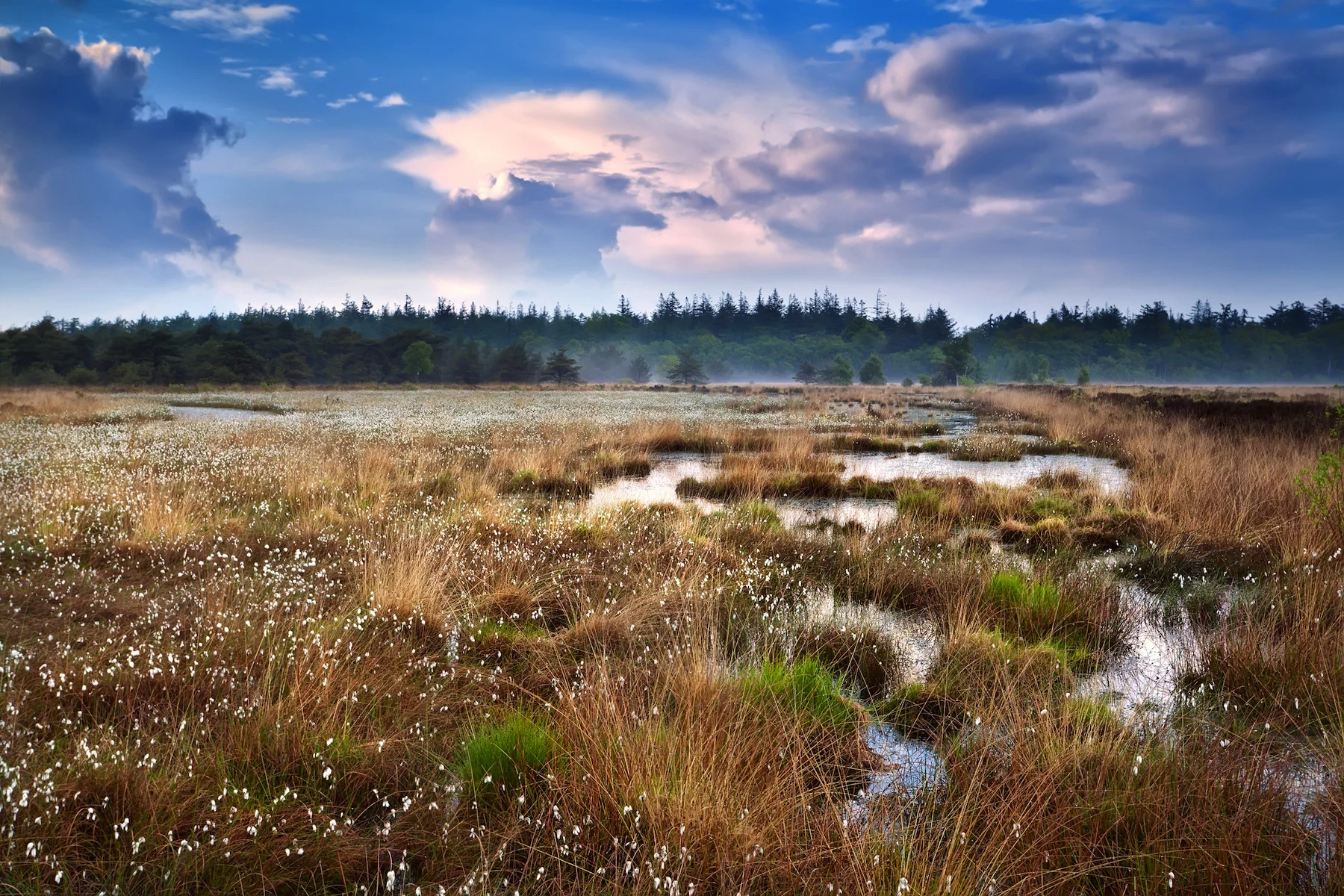
Why peatlands matter

Peatlands are a vast green lung that provide unique places for recreation and wildlife, while breathing in carbon dioxide from the atmosphere and absorbing it into the peat. A loss of just 1.5% of the worlds peatlands is equivalent to all the carbon emissions humans create worldwide in a year. But an area of healthy peatland the size of a rugby pitch can absorb the equivalent of 4 return trips London-Edinburgh by car every year. Thats why we need to keep that carbon locked up under our feet, rather than digging it up and putting it on our gardens, where most of the carbon will end up being lost back to the atmosphere, where it will contribute towards climate change. 

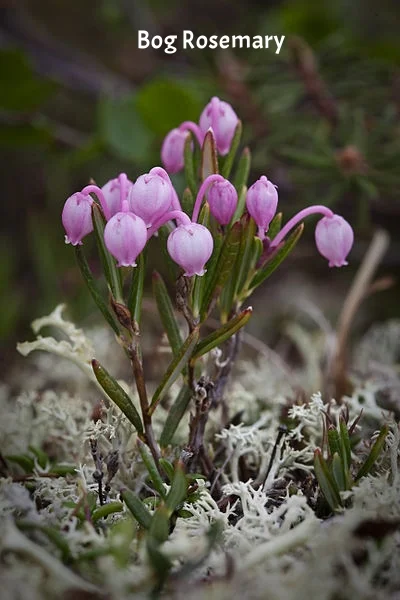
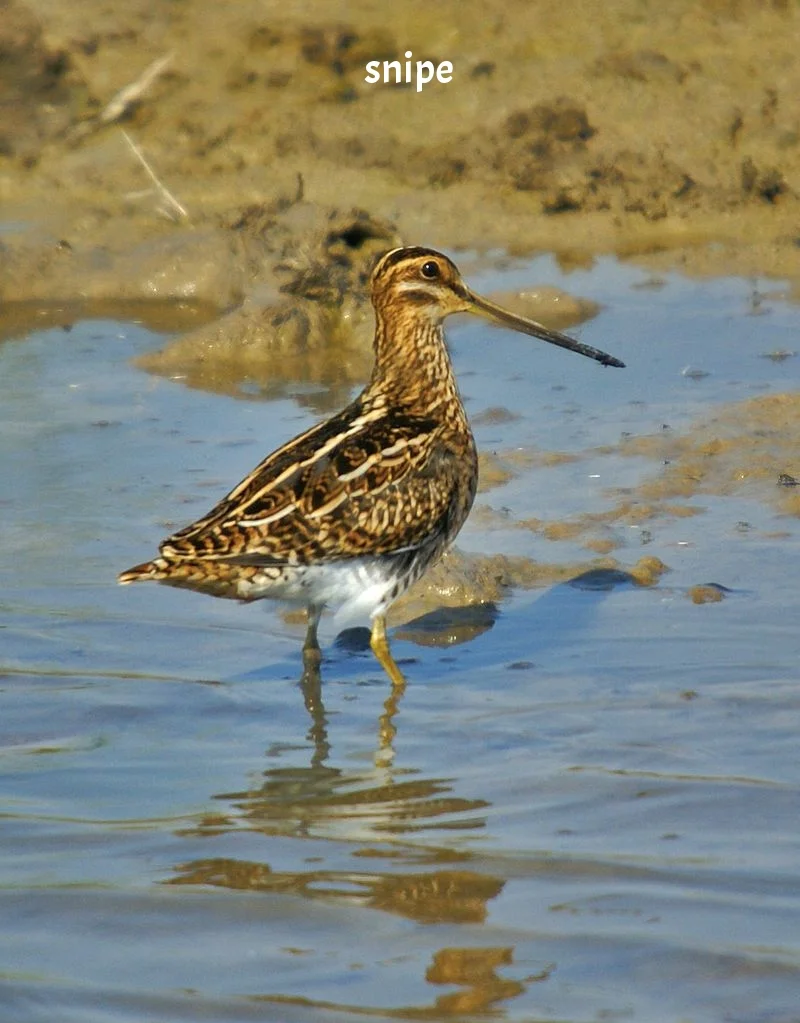
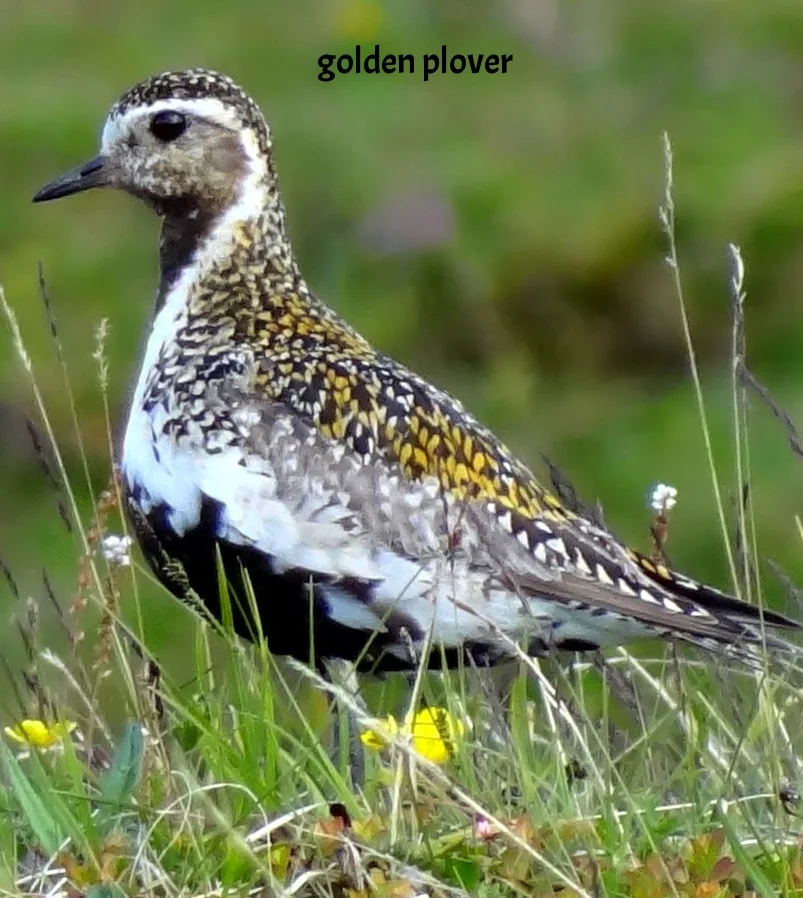
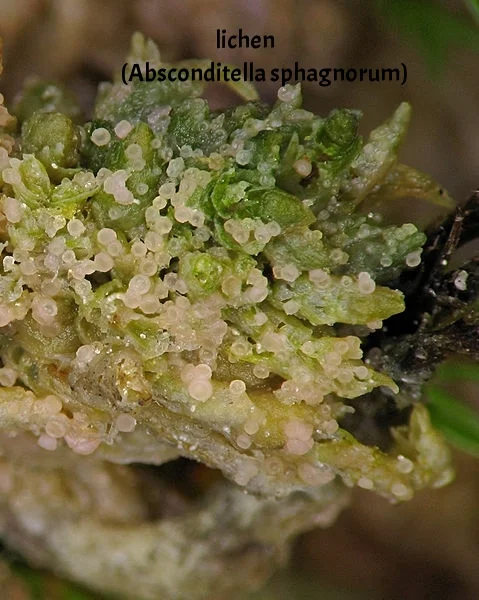
Your average 100 litre bag of peat compost takes around 100 years to develop, as plants absorb carbon dioxide from the atmosphere, and turn it into leaves, stems and roots, which are eventually laid down as peat. A bag this size will have absorbed as much carbon dioxide over the 100 years it took to form as you would emit driving 236 miles in a petrol VW Golf; thats equivalent to driving from Birmingham to London and back, twice. Every month gardeners in the UK use enough peat to fill 69 Olympic swimming pools. We have lost 94% of our lowland raised peat bogs in the UK and there are just 6000 hectares left in good condition. Although most of the peat we consume in the UK now comes from abroad (principally Ireland), we are still extracting peat from the few sites we have left. Thats a problem for species that depend on these habitats, like those in the gallery below.


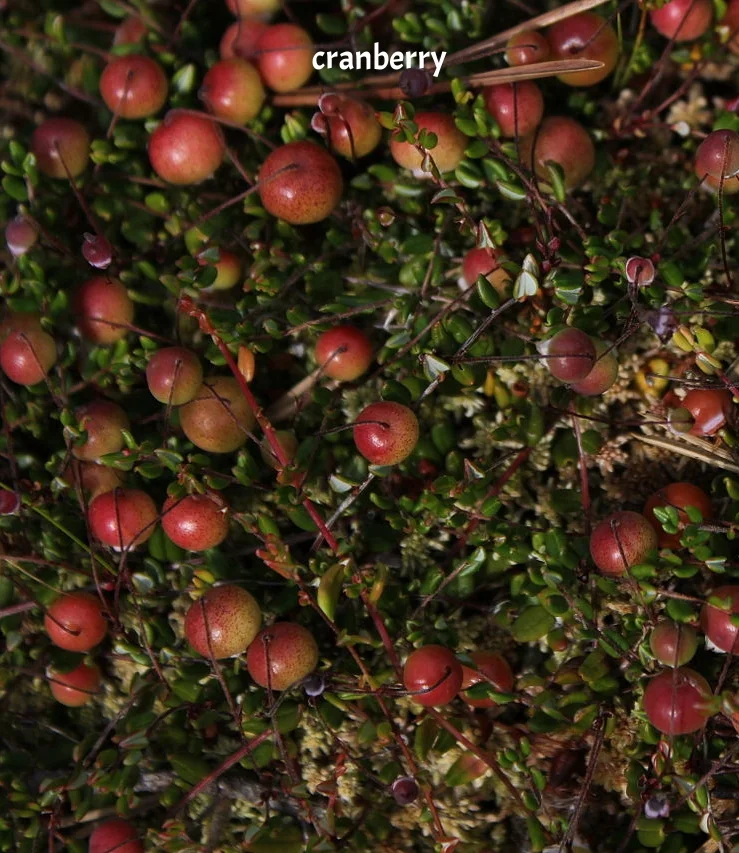
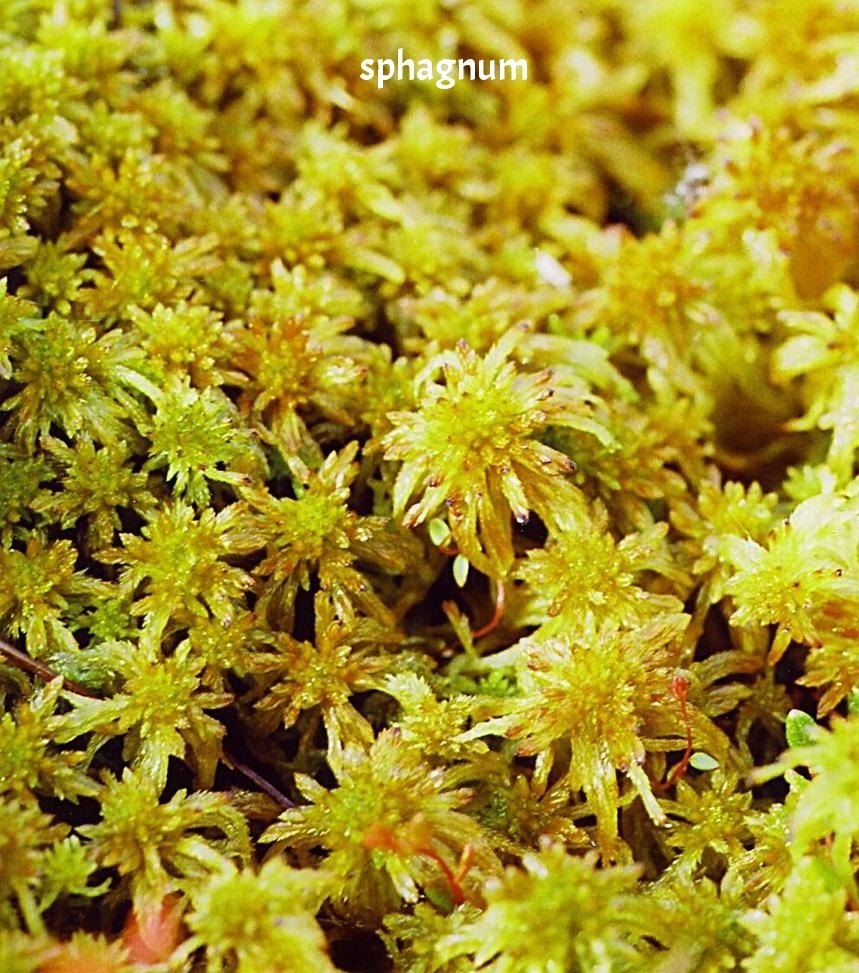
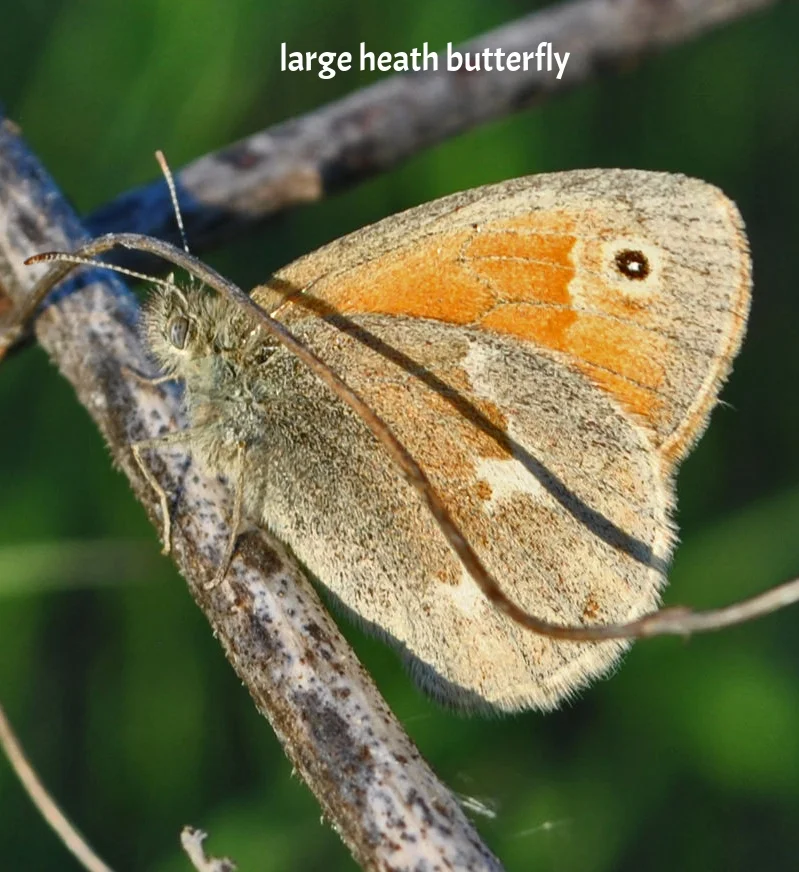
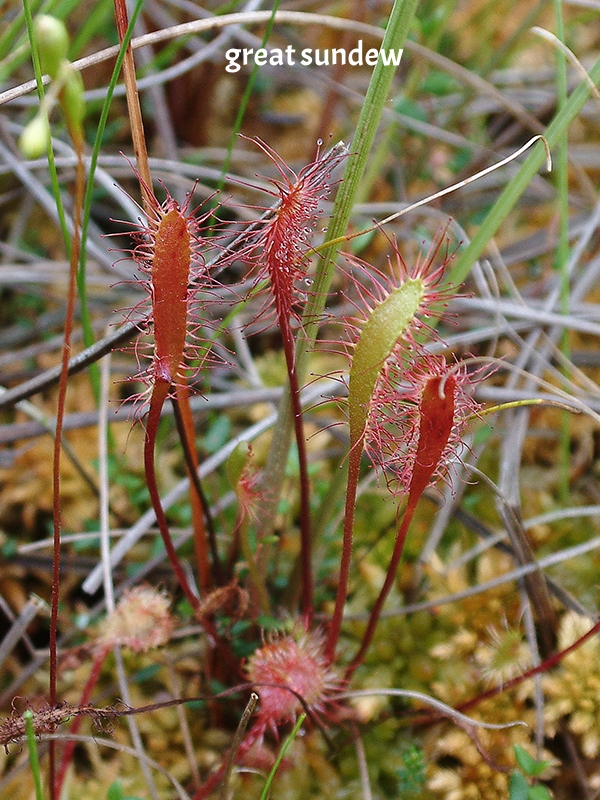
Gallery 1: Species associated with lowland bog habitats 


Why go peat free?

For me the answers are really simple:

  • You can protect important wildlife and prevent climate change by buying peat-free compost
  • Peat free composts are typically made using waste materials, reducing the amount of waste we send to land-fill
  • By buying peat-free, you support the development of a UK peat-free compost industry and UK jobs, instead of digging up our few remaining lowland bogs and supporting an overseas peat extraction industry
  • They work: most amateur gardeners are unlikely to notice any difference in the performance of peat-free versus peat-based composts, but some gardeners like to alter their watering and feeding regimes with peat-free composts to get the most out them.

If youre a serious gardener, it may be difficult to phase out peat use completely - there are some plants that are always likely to prefer peat, like carnivorous plants and ericaceous species. But you can still go a long way towards mimicking peat by buying a specially formulated peat-free ericaceous compost or by adding pine needles or bracken to your own compost to increase its acidity. Some enterprising hill farmers in the Lake District now sell peat free compost made from bracken, as well as ericaceous compost made wool sheared from their sheep and their neighbours flocks to provide slow release nitrogen and added water retention.

For me, its a bit like the whole argument over low-energy light bulbs - we all knew that they existed and that they were good for the environment for years, but many of us didnt switch till they were banned. Some of us remembered the low performance of early low-energy lightbulbs that took ages to warm up, some of us balked at the higher price of low-energy light bulbs, and some of us just kept buying what wed always bought out of habit. Early peat free composts often didnt perform well, and there were scare stories about finding nails or bits of glass, but these issues are now things of the past. Peat-free composts do typically cost a bit more than peat compost, and you have to read the labels rather than just choose the compost you always buy. 

Like low-energy lightbulbs, if we dont start buying peat-free composts voluntarily, they may eventually be banned. The Government has set a target to phase out the use of peat by amateur gardeners in England by 2020. They are monitoring peat use and will be reviewing progress next year to see if additional policy measures are necessary.

You have the opportunity to lead the way by making the peat-free pledge today, and letting everyone you know why they should take the pledge too. Our peatlands are a beautiful and incredibly valuable resource. Lets keep them and our gardens beautiful.


Mark Reed is a Professor of Interdisciplinary Environmental Research in the Birmingham School of the Built Environment at Birmingham City University, where he teaches on courses about Environment and Spatial Planning and Environmental Sustainability. He is also Research Manager for the IUCN’s UK Peatland Programme, where he is responsible for managing the UK Peatland Code. Mark is a Project Maya Associate, helping run a national course training researchers how to increase the impact of their work. 


Voices of Transition

Nils Aguilar, director of Voices of Transition

Nils Aguilar, director of Voices of Transition

Voices of Transition is a documentary showcasing  inspirational ecological projects that are pioneering new ways for communities to rediscover their purpose and, with the end of cheap oil, come together to prepare for the turbulent times we face. The film was conceived after witnessing first-hand the bloody, deceitful tactics employed by big agro-industrial companies to grab land from indigenous tribes in South America. I consciously chose, however, to highlight initiatives like the Transition Towns movement to inspire people to find ways to have positive impacts within their own lives.  When I began making the film, I was sick of watching documentaries that left me feeling depressed and helpless. Positive examples are a much more potent call for action than negative scenarios. And I really wanted this to become an “action” film!

Rob Hopkins has helped give the concept of resilience a new importance

Rob Hopkins has helped give the concept of resilience a new importance

The film starts by outlining some of the problems - soaring food prices, proprietary GMO seeds, soil erosion - all the usual suspects - but I tried not to dwell on those too long. Instead, I interviewed community organisers like the incredibly charismatic Rob Hopkins in the UK, agroforestry experts like Christian Dupraz in France and Cuban agroecology pioneer Fernando Funes-Monzote. Regardless of where they learned their lessons, they’ve come to variations of the same conclusion - that it’s absolutely possible to sustain ourselves, live fuller lives and have a healthy and sustainable relationship with the environment. So it’s up to us - we don’t need to wait for permission from anyone and neither should we wait for the politicians to provide us with blueprints, because they very likely won’t.

I see Voices of Transition as much more than just a documentary film. I hope it will act as a catalyst for positive societal change. It should not only kindle feelings of hope and re-empowerment, but also lead to a significant, concrete effect on the ground. In order to achieve this, the film is not so much addressing a naive public, but rather an audience that is already pretty well informed, and looking for the missing piece of the puzzle. I like to think of the transition movement as being that last link that closes the circle. The answer to the, often despairing, question “But what can I do?”

Leigh Court Farm near Bristol

Leigh Court Farm near Bristol

Communities making the transition must seek to connect groups that are already working on different elements of sustainability and resilience. Bringing together groups with different skills but a common motive provides the community with a giant boost towards coordinated action. Later, when all pulling in the same direction, people realise that it’s a lot of fun to live an ethical, sustainable life and be creative together! It’s the opposite of the anaemic, impoverished life that businessmen imagine when they think of a ‘degrowth’ society.

Even though it is a self-financed, independent film, we make public screenings as accessible as possible and ensure that community organisations pay much less than commercial cinemas. We always encourage organisers to have a ‘meet-and-greet’ session at their screenings, where those attending spend three minutes getting to know the person in the seat next to them. As an aside: we have some strong evidence that those moments have been successfully used for flirting! A contribution from us, perhaps, to the “multiplication” of the transition movement. In all seriousness, we strongly encourage the screenings’ organisers to invite existing local sustainability groups to say a few words about what they doing the area. In this way we hope that the films contributes in a small way to fostering resilient links that will enable communities to weather the coming crisis caused by climate change and the end of cheap oil.

What’s more, we’ve got a few success stories to back up our hopes! After the film finished its German tour, we heard back from a dozen initiatives that had started as a direct result of having seen Voices of Transition. A lot of people testify that after having seen the film, they felt the urge to grab a spade and start digging up the parking lots in front of their houses! So while we’re very happy when people rent or buy the film via our website, because it allows us to fund our next project, what we would really like is for as many people as possible to use it as a tool to convince their friends to get active as well.

Against all odds - Building a perma-adventure resort in the Himalaya!

 
96


Normal
0


false
false
false

EN-GB
JA
X-NONE


 <w:LatentStyles DefLockedState="false" DefUnhideWhenUsed="true"
DefSemiHidden="true" DefQFormat="false" DefPriority="99"
LatentStyleCount="276"…

By Devendra Babu, founder -owner

At Mango Tree Resort, out here in the Marshyangadi Valley, Nepal, we practice permaculture, take people on adventures and most of all have fun! Our unique mix of eco-adventure tourism and permaculture ideals really needed a whole new category so we have become a perma-adventure resort where we try to ensure that all our actions care for the Earth and its people, for now and into the future. Oh, and did I mention all the fun?

Our great location means we can get up in the morning and go kayaking and rafting on the beautiful Marshyangadi River, which flows right through our resort. We also have at our doorstep the beginning of the world famous Annapurna Circuit and Manaslu Trek, or people can try our very own Baraha Pokhari Trek. Our favourite sport of all, though, is CANYONING! And where can you find one of the best places in the world for this? The Marshyangadi valley, of course. This year, with the help of Rich Carlson from American Canyoneering Academy and others, we even managed to train more than 25 people as Entry Level Canyon Guides.  

But let me tell you more about the Mango Tree. We have been working tirelessly since 2012, making every effort to tread lightly on our planet. Take the story of putting a roof over our head. Our stone round house needed to be re-thatched, a task to be taken seriously since the materials and skills needed are in short supply these days. Historically, most roofs in the area would have thatch, using local sustainable materials and traditional methods. Now, most of the villagers opt for corrugated tin because it is freely available and easy to put up, even though thatch is cheaper in the long run and virtually maintenance-free for many years. Because the tradition is slowly declining, the old skills and knowledge of the older generations is being lost as young people move abroad and into the cities in search of jobs. Sadly, the thatch tradition in Nepal is almost dead.
So, we decided to rise to the challenge, but little did we know what we were taking on. Since people have stopped harvesting the thatch, it was a mission in itself to get hold of the stuff. We called friends, sent out messages and visited local land owners but still there was no thatch to be found. So, we decided to look for an alternative and discovered we could use a plant locally called babiyoo which grows on cliffs. So, we had a source at last, but how to harvest it? The answer was to use our well-practised canyoning skills and dangle from the cliff! We managed to harvest a few bundles within a couple of hours and were packing up to return the next day when some local guys told us that for a small fee they could harvest it for us. We instantly agreed! With that, harvests from some other areas, and salvaging some of the thatch still on the roof we finally had enough.

Next we needed bamboo batons. For this, our camp manager and I had to hike for an hour every morning to harvest the bamboo and walk back to camp in the evening. It took us five solid days to harvest, split and make batons but we finally had everything we needed to start on the roof.

It took four paid local roofers, four volunteers, and three Mango Tree staff four days of hard work. But now we have a great looking, durable roof with brilliant thermal properties which everyone admires.  It wasn’t easy, but we are very glad we kept at it.

And what are our future plans? We need to build more accommodation, a hall, tile the bathroom, put up a solar water heater, make a bigger adobe oven, raise the vegetable beds, set up a proper nursery and herb garden, plant more trees -  the list goes on! This August we are running a four-week Permaculture Design Course right here, with the help from our permaculturist friends from all over the world. If you are interested please get in touch as there are still places left. Soon after this we will be running few canyoning courses too. It is our favourite, after all.


Embrace the wilderness

By Daisy Brickhill

I had an allotment once next to a very kindly old gentleman, he welcomed us when we arrived as raw greenies, praising our efforts to put together raised beds and generously offering us spare courgette seedlings that were twice the size of our puny specimens. We often looked enviously over the fence at his smug, glossy onions and succulent raspberries. One thing he did not approve of, though, was our small wildflower meadow. You could tell, by the way his eyebrows bristled, that he felt it ‘messy’.

He had nothing against flowers, he grew flowers himself, he assured us and showed us to a neat row of pansies, just as regular and evenly spaced as the row of beetroot alongside them. I have nothing but kind feelings for that old gent, but I do wish that people would be happier with a little mess. It’s not just evidence of a newbie who has let their plot go, or workshy townie who doesn’t want to get her hands dirty.  That pile of old leaves, clump of nettles or riot of untamed wildflowers hide stories untold…

Deep in the leaves a warty common toad lurks, waiting for spring to fully unfurl before he pokes out a toe. On the tip of a nettle plant a leaf is folded over on itself: a tiny tent for a larva of the red admiral butterfly. Cuckoo spit, clinging to the stem of a poppy, shelters froghopper nymphs before they emerge as adults, to leap between plants with an astonishing acceleration of 4,000 metres per second every second.
So, I have kept a wee section of my plot, nothing much and nothing fancy, just a bit of ground where I scattered a few seed balls. Marble-sized earthen balls, seed balls are like campervans for wildflower seeds: everything they need in one compact, mobile unit. Chilli to keep off the pests, compost for nutrients, clay to hold it all together. The seeds themselves, cosy in the middle, wait for just the right moment and conditions to yawn and stretch and say “Hmmm, let’s go somewhere this weekend…”

Of course as a fierce allotmenteer I want to carve out a little space for me, I want to give my veg the chance to grow, and I will weed round them to give them space, just as daisies use special chemicals to ward off intruding plants. But I want to be part of the cycle, part of the grand scheme of things, and although my onions may not be any glossier or smugger for it, I think I am.


As well as a voluntary press officer for Project Maya, Daisy is a production editor and writer for Science for Environment Policy, a news service published by the European Commission. Daisy divides her time between poring over all kinds of fascinating environmental research and pottering about on her allotment.

The beauty of a Swiss permaculture system

By Nina Baumgartner

This summer I spent two months at the permaculture community of Balmeggberg, in the Emmental region of Switzerland. It’s a glorious spot, 1000m up a mountain where six adults and their four children live permanently and hundreds of other people orbit around them.

During this time I had an insight into the implementation of the permaculture principles within this specific habitat and community, helping them out with anything that needed to be done. I was personally very eager to learn even the smallest of the details, and I was lucky to find a group of people happy to share their knowledge and love for the place.

The summer jobs in Balmeggberg. included gardening the three hectares of cultivated land, harvesting vegetables, leaves, flowers and berries, composting, pruning, feeding rabbits, ducks, chickens and sheep, building, repairing, cooking and everything else country life brings. Of course music and fun were also important factors of this happy equation.


In Balmeggberg the main goal is not to obtain total self-sufficiency but rather to find and keep a dynamic balance between what lies within the community and the outside world.

In this way the community can experiment with food production and efficiency, without relying 100% on the success of plant growth or harvesting for living, and in most cases people have part-time jobs in the world below.

Visitors of Balmeggberg can be inspired both through physical and spiritual work (i.e. woofing, courses of yoga and poi, sweat lodges etc.). For those in search for more intellectual stimulation they run a two-week Permaculture Design course. Anyone seeking help with a personal permaculture project can also ask for a consultancy with the experienced group of permaculturalists Toni, Marco, Sherpa and Elena at “Plano Futuro – Systeme zum Glück” (=system with happiness) www.planofuturo.ch


I reached Balmeggberg looking forward to learning more about permaculture and about my personal adequacy to this system. Now that my experience in Balmeggberg is finished I can say that, more than learning about the permaculture approach, I was happier to have found a deep connection within myself, with the place and with the others around me – I found the spirit of permaculture.

For more info www.balmeggberg.ch (in German)

Nina has a marine biology background but she is now exploring terrestrial ecosystems and the permaculture principles. She is a Director of Project MAYA.

Join our team

We’re looking for volunteers to join our Project MAYA team! We have four fixed-term voluntary positions available to work on our SEEDBALL project, each on a ‘work from home’ basis for a minimum of four hours a week.

If you are interested in any of the following positions please apply with a CV and covering letter stating why you would be suitable to Dr. Anna Evely (anna@mayaproject.org). Please state the title of the position you are applying for in the subject line.

Campaigns Coordinator (#nomow & ‘Feed the Bees’)

SEEDBALL Marketing Coordinator

Press Officer

SEEDBALL Sales Assistant

Why switch to an electric vehicle

By Mark Benson 

If you read the motoring press you’ll see snippets of comment about electric cars, electric car technology and battery technology. However, the vast majority of the motoring press is still dominated by gasoline vehicles with many people suggesting that electric cars are something of a gimmick. So, why would you consider switching to an electric vehicle?

There are a number of positive aspects of the electric car industry which are perhaps overshadowed by the stigma of years gone by. We will now take a look at the reasons why you might consider switching to an environmentally friendly electric car and ditching your gasoline vehicle.

The Environment

As we alluded to above, the modern-day gasoline car is more efficient than those of 50 years ago, 20 years ago and 10 years ago but the fact is that there are still very harmful emissions created every time you drive your vehicle. These emissions are having a major impact upon the worldwide environment.

There had been a general consensus that electric vehicles, and their environmentally friendly nature, would very quickly catch on and the fact there are no tailpipe emissions would grab the attention of the environmentally friendly lobby. The fact is that so far the take-up of electric vehicles has been disappointing to say the least, with their environmental benefits often downplayed – although the message is slowly starting to seep through.

Reduced maintenance and running costs

Before we look at the upfront cost of an electric vehicle, we’ll take a look at the reduced maintenance and running costs (which again, are often overlooked). The fact that an electric vehicle has very few in the way of moving parts means there is “less to go wrong” and ultimately maintenance and servicing of the vehicle is significantly less expensive compared to its gasoline counterpart.

When you also take into account the fact that “filling up” your electric vehicle will cost but a fraction of that compared to its gasoline counterpart, there are yet more ongoing savings to be made. The general consensus seems to be, when also taking into account the cost of insurance and the upfront cost of the vehicle, an electric car will pay for itself and save money for the driver from year three onwards.

Government financial incentives

If you take a look at the baseline cost of electric vehicles today, they do not always compare favourably to their gasoline counterparts. However, thankfully a number of governments around the world are now offering significant financial incentives to switch from gas guzzling vehicles to environmentally friendly electric cars.

If you shop around, there are potential savings in the thousands of dollars not to mention the fact that many electric cars attract no additional road tax charges, or at worst a reduced payment. The fact is that governments around the world have invested public money into electric car companies, have been promoting electric vehicles and ultimately, they cannot afford for the industry to fail again.

There is a growing feeling that governments around the world will do whatever it takes to “encourage” the transfer from gasoline vehicles to electric vehicles because the consequences of failing for the environment, public finances and government reputations are frightening.

Conclusion

The electric car of today is very different to that of 20 years ago or even 10 years ago. However, the stigma of the old-style rather distinguished and often eccentric looking vehicle, together with the old style technology, still hovers over the industry.

The fact is that governments around the world have invested heavily in the industry, car manufacturers have been dragged kicking and screaming into the new electric car age and slowly but surely consumers are coming around to the idea. The upfront cost of vehicles will fall as popularity improves, insurance costs will become more competitive and there are potentially even more benefits and cost savings to be had further down the line.

Written by Mark Benson of www.electricforum.com For more information on electric vehicles visit the Electric Forum where you can discuss your questions and queries with the 5,400 strong community.

New arrivals

Yay! In the last week we launched our brand new SEEDBALL packaging ! We can’t believe how wonderful it feels to finally have our lovely new tins with us. We’ve been working on the re-design for quite a while now (since June last year!) and can’t believe the time has finally come to unveil!

We love how the tins fit snuggly inside your hand, and the fact that they come from the last tin maker in London ‘Toon’ (just look at their fab website), we just love the use of colour, the happy-go-lucky typeface and the stunning pics of wildflowers on the back. AND… we have a barcode! Our beautiful seed balls couldn’t have a better home. 

The new tins are sold online via our website www.seedball.co.uk - come say hi!

Launch of new training course on research impact

This week Project MAYA, in collaboration with Dr Mark Reed and Diana Pound (Dialogue Matters), have launched a new training course with support from Living with Environmental Change (LWEC). The training is based on new Knowledge Exchange Guidelines that are being launched by the LWEC partnership at their Annual Assembly in Birmingham. The courses are for anyone who wants to learn how to work collaboratively with those who are likely to use their research to achieve greater impact.

To achieve this, researchers need to invest time, skills and effort in effective knowledge exchange, where learning from those who will use their research is as important as sharing their research findings. This includes facilitating a process of participation, dialogue, and mutual learning with stakeholders and research users from the earliest opportunity and throughout the research process

But few researchers are confident that they know the best way to do this. And now that impact is being measured in the Research Excellence Framework, the knowledge exchange skills needed to achieve impact are becoming increasingly important for promotion.

Two training courses have been designed to equip researchers with the tools and principles they need to run a successful knowledge exchange programme based on the latest research and award-winning practices. Participants will discover the best way to ensure that their research makes a very real difference in the world, whether that means it is picked up in policy and practice or through commercialisation.

A one day course has been designed to give researchers an introduction to working collaboratively with stakeholders, and to help them learn how to integrate knowledge exchange more effectively into their work. A three day course is also being offered, where researchers can learn about good practice stakeholder participation in research, gain skills in facilitation and process design, and explore the benefits and challenges of involving stakeholders in research. Both courses use examples from environmental research and practice, but are relevant to researchers from many fields.

The courses are taught by recognised international leaders in knowledge exchange and stakeholder participation. Dr. Mark Reed and Dr. Anna Evely (of project MAYA) are at the forefront of research to understand the mechanisms through which knowledge exchange and participation operates. They have won awards for the impact of their research on environmental sustainability, and helped develop the Living With Environmental Change partnership’s Knowledge Exchange Guidelines.

Dialogue Matters help people share knowledge and make better decisions about the environment. Well designed and skilfully facilitated stakeholder dialogue is key to this. Set up in 2000, they have an excellent track record and receive consistently positive feedback from sponsoring organisations, stakeholders and trainees alike. Working across the UK and internationally, they have designed over 70 processes (including 100 workshops) and trained nearly 1000 people.

To find out more about the training and to book your place, visit: http://sustainable-learning.org/training/

#nomow

Leaving grass unmown is great for wildlife! That’s why we want to encourage you not to mow. #NOMOW is a twitter campaign we run alongside our friends at River of Flowers – where, with your support, we encourage councils to transform road verges from mown monocultures to wildflower habitats. It’s a very simple concept, but one which could make a significant contribution to our communities and local wildlife populations…

We live in a time of intense global unrest and change. Society is living well beyond the carrying capacity of the planet, over 60% of ecosystems and their biodiversity are degrading, and extinction rates are as much as 1000 times there pre-human levels. We are also living in an increasingly urbanized and developed world. As of 2007 more than half of the world’s citizens live within cities. Cities affect biodiversity significantly, not just at the local level, but also through the extensive resources imported into cities. For example, even though cities cover just 2% of the landmass they consume over 70% of the resources.

As populations become more urbanised there is generally less access to wild nature. Opportunities to interact with nature may all to often be limited to gardens, window boxes, balconies or urban parks. But, we need to have regular interaction with nature.

Recent research shows children’s exposure to ‘nature’ is essential for physical and emotional development. And, in order to care about the environment, and how sustainably resources are produced, people need to experience nature regularly in order to develop an affinity with it. It is this, in turn that leads to environmental awareness.  As people have less access to nature in urban settings, there are two options available: either take people to nature or bring nature into the cities. For us, the only sensible option is to bring wild, native nature, to the cities.

Bringing and integrating nature within cities creates sustainable and livable urban environments, and can help create the sustainable behaviors we need in order to reverse the negative impacts seen on ecosystems outside of cities. We need to begin by creating complex city spaces that embrace nature and wildness. Cities should have designated areas with space for wildflowers, food production and natural play. And of course, cities don’t exist in isolation; they are connected to wider ecosystems. By promoting quality green space within cities, biodiversity can be protected and enhanced and brought closer to people.  Within cities, land such as railway edges and road verges connect green spaces, creating corridors between them and enhancing their value to plants and wildlife.  Promoting natural vegetation can also have other useful consequences. For example, strengthening resistance to floods and droughts, and acting as reserves for pollinating insects like bees, which are so important for food production.

Ensuring vegetation specifically matches an area can even reduce maintenance costs. For instance a particularly dry area can be planted with species that flourish in dry surroundings, bringing with them animal species belonging to dry areas as well. Local vegetation often re-seeds naturally or lives for several years, requiring little human attendance or input of water and fertilisers, and therefore cutting council costs. Complex plant species assemblages further improve soil health and capacity to absorb flood water as well as filtering that water. Quality green space, especially with trees, absorb carbon as plants grow larger, reducing green house gases and filtering polluted air.

Road verges are also an ideal way of connecting habitats of pristine ecosystems with pockets of urban biodiversity. In pristine areas our road verges represent an important remnant of our native grassland and wildflower habitats, which have suffered catastrophic losses over the last century. Our verges also act as important buffers to some of the most impoverished areas, be they six lane motorways or intensively farmed fields. And, importantly, along with railway edges, road verges are the single most viewed habitat in the country, giving millions of people every day contact with changing seasons, county specific habitats and colours of the countryside.

Managed correctly, our road verges can support a remarkably diverse collection of species. The good news is that appropriate management is often about doing less, allowing the verge to develop and plants to set seed before cutting takes place. Adding appropriate wildflowers in the city is a simple task, which can pay environmental and social dividends for years to come.

Why not find out more about what you can do to promote wildflowers on road verges by supporting and visiting our #nomow web page.


Social media for sustainability

Well, it’s been a busy October for us MAYA peeps. Not least because Anna headed out from the London office to New York to give a presentation on how Social Media may just be the answer we need to create a sustainable planet.  So, we thought rather than have you guys miss out, we’d quickly go over the basics and pop her talk below…

As a society we face perpetual change. In the last 20 years the world has become a more connected place. International connectivity has stimulated trade and is likely to have played a significant role in global economic collapse. Ecological systems are rapidly changing and degrading, with extinction rates up to 1000 times their pre-human levels. Changes are impacting upon a global biodiversity that is already under pressure from expanding urbanization and increasing population growth.

The Internet, and social media especially, offers a significant chance to make this world a better, fairer, and more sustainable place. Already, the Internet has brought people together, enabling the rapid, widespread emergence of ever-novel ideas and the empowerment of communities to bring about change and raise awareness of injustice. Its potential lies in bringing about change toward more sustainable behaviours through social learning. Social media facilitates new approaches to governance whereby stakeholders across sectors and jurisdictions can become engaged in consensus building and implementation processes, and be a part of the conversations and decisions that affect them. Of course, not everyone has the ability to be part of social media at the moment, but evidence shows that situation is changing, with 7.9 new users logging on to the internet each second!

Social media is about facilitating greater participation and enabling the spread of sustainability concepts through peer learning. People pay attention to what their trusted sources and friends have to say. Information moves rapidly between and across social networking sites through technology features and key individuals active on multiple platforms. In social media products, messages and behaviours spread like viruses. Similar to medical epidemics, a handful of special people play an important role in starting idea epidemics.

These are the Mavens, Connectors and Salespeople. Mavens are idea specialists. They are human data banks who are obsessive about details and about sharing them with others; connectors are people specialists. They know a lot of people from every possible sub-culture and niche. They have an extraordinary knack for making friends and acquaintances out of everyone. They act as social glue by spreading ideas around; and salespeople have the skills to persuade us when we are unconvinced of what we are hearing.

We live in the era of transparency. So, events that were easy to downplay in the past, are now posted on social networks, discussed and shared widely. Crimes against the environment and humanity are hard to ignore, even if you tried. And, the environmental community is increasingly embracing social media to share stories as well as to reach the indifferent.

We now need organisations and professionals working in academia and governance to embrace social media and take on the roles of maven, connector or salesperson. Creating a profile, sharing information and cultivating meaningful interactions within a community does take time—time that will extend above and beyond an average workday. But the viral impact of updating extended networks of family and friends on what you care about and work on during the day cannot be underestimated.

RIO+20 – A conference without a soul?

by Ricardo Braun

The Rio + 20 Conference created great expectations for all that are interested in the future of our Planet. There was a lot of talk about sustainability but at the end nothing really changed. Why is it so?

The United Nations Conference on the Human Environment, also known as the Stockholm Conference, was held in Sweden in 1972. It was the first conference on international environmental issues based on the zero growth report of the ‘Club of Rome’. Shortly after the conference the United Nations Environmental Program (UNEP) was institutionalized in Nairobi, Kenya. In Brazil the Special Secretariat of Environment (SEMA) was established in 1973, and later implemented the National Environmental Policy Act (Law 6.938).

Twenty years after Stockholm the United Nations Conference on Environment and Development (UNCED) was held in Rio de Janeiro, Brazil. This conference, also known as  ECO 92. It  followed the findings of the report ‘Our Common Future’ prepared by the World Commission on Environment and Development that introduced the term ‘sustainable development’ for the present and future generations. The 92’ Global Forum,  was also held in Rio de Janeiro in parallel to UNCED. It was considered the largest civil society meeting at that time. The ECO 92 conference had impressive results such as the global Agenda 21, the Rio Declaration and the establishment of a number of major international conventions such as climate change and biological diversity.

The United Nations Conference on Sustainable Development known also as the Rio + 20 had the task to give continuity to the previous UN conferences. Based on the slogan ‘the future we want’ the main goal of the official UN meeting was not only to evaluate the implementation of the Millennium Development Goals, but also to strengthen the climate negotiations, evaluate the human rights issue and define an agenda for sustainable development for the next decades. In other words to take a step forward in relation to the previous conferences.

Excluding the parallel agreements and voluntary decision-making between local governments and the social civil society, the final out-put of this meeting was a simple declaration that was defended by the Brazilian government as a successful summit document. However this declaration has been strongly criticized by the world civil society as an empty diplomatic document lacking concrete goals to guide the future we all want for the Planet.

The Peoples’ Summit

The ‘Peoples Summit for Social and Environmental Justice‘ held during the Rio + 20 Conference  became the hope to overcome the failures of the official meeting. It was held at the  Burle Max’s gardens in Flamengo Park in Rio de Janeiro. The same location where the famous 92’ Global Forum was held twenty years ago.


The Peoples Summit congregated several sectors of society through an ambitious programming. There were many structures, many people circulating, and many protests, claims and incentives to mass protest. The majority of structures were opened tents with chairs and a spot of light for all sorts of performances, lectures and demonstrations, and to bring together NGOs, government representatives, academics, scientists and the general public. Many structures such as the Gaia Education,Transition Towns, Blue Planet Project, among others, demonstrated that sustainability is possible through the gathering of motivated people and local solutions.

The first day of the summit was marked by the lack of information. A lot of people looking for maps and information signs. Chinese lectures, Spanish researchers, Iranian and Italian NGOs, Canadian students, even Brazilian NGOs were lost in the first day. This was no different for me. I also had problems to find the structure were I should lectured on the ‘Future of Energy’ representing the Urban Observatory of Rio de Janeiro (OUERJ / UN Habitat).

The Flamengo Park was opened for almost everything. There were street vendors and artisans selling their products and much of the public seemed to be more interested in seeing and buy crafts than participating in the plenary sessions. The feeling was that the commerce somehow distracted the attention of the visitors regarding the real objectives of the Peoples’ Summit. Some structures in the park has permanent activities with great public. But many structures were kept empty.


The ‘Plenary on Food Sovereignty’ gathered representatives from the Brazilian land tenure movement (MST), various indigenous and ethnic groups and many NGOs. There were hard speeches against global mercantilism and social injustice.  When inquiring a representative of the Tupi-Guarani indigenous group about her modus vivendis she promptly offered to sell me handicrafts made from her native group…

More ahead at the Modern Art Museum there were many people coming and going in the midst of non-governmental and governmental structures. A loud amphitheater with LED video screens stood out for live music and roundtables discussions on different topics. A show of lights and colors from the government. But powered by diesel generators! In this scenario, the Greenpeace gave a glimmer of hope by feeding their structure with solar and the wind power.

In short the Peoples Summit had diverse and simultaneous events with the involvement of many organizations. No doubt a great event. Very similar to the 500 years celebration of the discovery of Brazil by the Portuguese in the year 1500. But for an analytic eye there was some unanswered question regarding this whole event, such as, what were the main contributions out of all the discussions carried out in the Peoples Summit?


The ‘Declaration of the Peoples Summit’ revealed to be very simplistic for such a big event. The general text with two pages emphasized a reactive position of ‘being against…’ and ‘fighting for…’ Instead of the spirit of cooperation and sustainable solutions that we need for our common future.

The Prophets of the 92’ Global Forum

Before opening the doors of the 92’ Global Forum the former director of the Centre for Our Common Future, Waren Lindner, emphasized two essential things. To deliver a consistent document that synthesized the position of the 92’ Global Forum for the heads of governments at UNCED and to show the world that the civil society was capable of organizing a great event in a sustainable manner.

Although there were numerous promises from politicians, government agencies and business enterprises to help develop the 92’ Global Forum, all governmental infrastructure and support was given to the UNCED’s official meeting in the Rio Center. The Forum team worked with minimal support. The internet at that time was an experimental Bulletin Board System, and there was only one fax to send and receive all messages to organize the event. Resources were limited but the motivation, the creativity and the willingness to make it happen was enormous.

The Forum had many structures focusing on science and technology, culture, women’s rights, children’s forums, arts and culture for sustainability among many other parallel events. A permanent spiritual vigil for peace was carried out during the event. A viking boat sailed the Atlantic with an international crew to arrive during the 92’ Global Forum. Hundreds of banners painted by children from around the world were exposed and hundreds of people were acting for a better world. A very positive atmosphere took place in June 92 at the Flamengo Park.

The ‘Open Speakers Forum’ was one of the most important structures of the 92’ Global Forum. It gathered many environmental leaders that gave ‘soul’ to the Eco 92 event. Among the speakers were the Buddhist leader Dalai Lama, the Oceanographer Captain Jacques Cousteau, the Nobel laureate Wangari Maattai, the educator Darcy Ribeiro, the spiritual leader of Dadi Janki, the environmentalist José Lutzenberger, Professor David Suzuki, the ecofeminist Vandana Shiva, Senator Al Gore, the director of the World Watch Institute, Lester Brown, the leader of the Third World Network, Che Yoke Ling, Dr. Helen Caldicott from the institute of social responsibility, the American Indian Nations spokeman Chief Oren Lyons, Elizabeth Mann Borgese the Director of the Institute International Oceans, among many other known environmentalist and celebrities.


The Forum’s charisma was such that many UNCED authorities broke protocols to visit Flamengo Park in order to prestige the event. Many government leaders climbed to the ‘tree of life’ located in the center of the park, and wrote their pledge for a sustainable world on small leaf made of recycled paper.

Why an empty document at Rio + 20?

Despite Brazil’s spectacular biodiversity and a highly sophisticated environmental legislation, it cannot not be considered a sustainable country. Brazil has many environment contradictions such as high deforestation rates, poor urban sanitation, excess cars in the streets, a progressive pressure on the indigenous people, an energy matrix with historical negative environmental impacts, a consuming population with poor education, and many corrupt politicians. Brazil’s human development index is incompatible with its sixth position in the world economy raking. It’s clear that the country cannot lead something that has not been reached.

The country lost twenty years of opportunity since the Eco 92 Conference to show more sustainability during the Rio + 20. It could have shown practical solutions beyond prototypes and small-scale projects. The whole conference could have been powered by alternative sources of energy. Just to show the world that the country is tune with the modern concepts of sustainable energy. It also lacked green mobility schemes and selective collectors for recycling, including bicycles lanes and other alternative means of locomotion during the event. There was also no disclosure regarding the neutralization of carbon emissions generated during Rio+20.

In the newspapers, on the internet and on TV we had live information about what was going on during the official conference. Heads of state, journalists, government officers and NGO leaders gave interviews and repeated technocratic information on agreements, strategies, negotiations, decisions, successes and failures of the Conference. Never in environmental history have we experienced so many contradictions concerning the future of the Planet.

Knowledge and communication are one of the pillars of sustainability but the excess of information confuses society regarding what is vital and what is not for the future of humanity.

It is necessary to ask where was the Rio + 20 environmental leaders to inspire the general public? Where was Sir David Attenborough to talk about the wonders of the planetary ecology, and the Nobel Prize Muhammad Yunus to talk about the solidarity bank of the poor? Where was our former Environment Minister Marina Silva to talk about the Amazon forest, and Master Tokuda to talk about Zen and ecology, or Bunker Roy, founder of the Barefoot University, and the Monk Satish Kumar from the Schumacher College to talk about soil, soul and society. These among many other names would certainly bring more light and consciousness to the decision makers at Rio + 20.


The first impression is that ‘sustainability for future generations’ is not an important issue for a country that is focused on two great events. The World Cup in 2014 and the Olympics Games in 2016.

But is there any environmental concern for the Olympics Games? In fact the organization of the Olympics begins at least six years prior to its development. The hosting countries have to develop an environmental impact study of the Olympic Games (OGI) and deliver an Olympic Agenda 21. They have also to implement local measures to recycle litter, feed the athletes with organic food, establish sustainable mobility schemes, develop social responsibility projects among many other actions. However none of these actions were seen during the Rio + 20 Conference. In other words, without environmental measures there are no Olympics Games. This should have also been the case for Rio + 20. It is imperative that the United Nation establishes an Agenda 21 for the future mega conferences.

The failure of the Rio + 20 must be reviewed, starting with the name of the conference. The ‘Rio plus some number’ such as ‘Rio + 5, Rio + 10, Rio + 20’, in fact does not say anything. It is a bureaucratic abbreviation of a successful conference that took place twenty years ago in Rio de Janeiro. A UN conference discussing the future of humanity must have its own personality. The exhausted Planet urges for less ‘ego’ and more ‘sustainable soul’ because it is a serious issue for our common future. We are seven billion consuming the Planet and the world needs sustainable paths to follow.

The Nordic countries have some of the best examples regarding the achievement of the Millennium Development Goals. Future UN conferences such as Rio + 20 should be developed in the countries that are more sustainable in order to give the good example.

During the Peoples’ Summit two small tents gave the right message for long term sustainability with a couple of ergonomic bicycles and dynamos powering mobile phones with human driving force. A small example of how the world can be more sustainable when mankind begins to give back what has been consumed in excess.


Ricardo Braun was a special events manager at the 92’ Global Forum. He is currently an associate researcher at the Aberdeen Centre for Environmental Sustainability (ACES) and associate to project MAYA in the UK.